Explore our curated selections of original diagnostic equipment, power delivery systems, and precision mechanical parts sourced globally.
An in-depth analysis of how non-destructive testing technologies are reshaping predictive maintenance, infrastructure diagnostics, and global manufacturing yield optimization.
In modern manufacturing ecosystems, unexpected downtime is one of the most significant contributors to losses in operational efficiency. To combat this, diagnostic methodologies have evolved past scheduled maintenance routines into the realm of real-time, predictive analytics. Among these methodologies, Acoustic Imaging and Borescope Inspection Systems have emerged as pivotal pillars of modern Non-Destructive Testing (NDT).
Acoustic Imaging, often implemented via phased microphone array cameras, relies on sound source localization algorithms (such as delay-and-sum beamforming) to visually map sound pressure levels onto physical images. By translating ultrasonic waves (typically in the 20 kHz to 100 kHz range) into dynamic, color-coded visual maps, operators can pinpoint compressed air system leaks, electrical partial discharges, and mechanical friction anomalies before they culminate in catastrophic component failure.
Conversely, Borescopes (particularly flexible video borescopes with multi-axis articulation) provide remote visual inspections (RVI) inside highly confined spaces, such as turbine engines, chemical processing vessels, and complex industrial piping. The combination of these two technologies offers a multi-modal diagnostic approach: acoustic imaging identifies the location of a systemic anomaly from a distance, and borescopes verify the internal physical state of the hardware, eliminating guesswork.
Acoustic imaging devices utilize a matrix of Micro-Electromechanical Systems (MEMS) microphones spaced systematically to calculate sound wave arrival time differences. When sound waves hit the array, the phase differences between individual microphones are analyzed mathematically. This signal processing reconstructs a 2D spatial acoustic map, which is overlaid on a real-time optical image.
| Technology Segment | Primary Parameters Explored | Operational Value Delivered |
|---|---|---|
| Acoustic Imaging Array | Frequency spectrum: 2 kHz – 100 kHz; Array count: up to 124 MEMS microphones | Rapid visual mapping of high-frequency ultrasonic leaks and electrical discharges over long distances. |
| Articulating Video Borescope | Probe diameter: 2.0mm – 8.0mm; Articulation: 4-way 360-degree sweep | High-definition visual access to tight cavities with real-time video capture and 3D measurement capabilities. |
| Thermal Imagers & Analyzers | Spectral response: 7.5 – 14 µm; Temperature range: -20°C to 1500°C | Identifies thermodynamic anomalies linked to electrical overloads and mechanical friction. |
Borescopes demand high mechanical durability and optical clarity. Advanced probes incorporate tungsten-braided sheathing to withstand extreme environments, alongside high-intensity LED light sources positioned at the distal tip. Modern video borescopes utilize high-resolution CMOS image sensors, delivering megapixel outputs to diagnostic consoles or mobile devices. They feature 3D phase measurement algorithms to measure surface cracks and structural degradation directly from the visual interface.
The commercial demand for diagnostic systems is shifting away from reactive repairs to predictive maintenance paradigms. In the European Union, stringent energy conservation policies drive the adoption of acoustic leak detection tools to minimize waste in pneumatic systems. Under the Energy Efficiency Directive, factories must reduce carbon emissions, making the rapid identification of gas and steam leaks highly cost-effective.
In North America, utility networks and power generation facilities face strict regulatory oversight from organizations like the North American Electric Reliability Corporation (NERC). Acoustic imaging is widely deployed to inspect high-voltage electrical substations for partial discharge, corona activity, and tracking. These methods mitigate catastrophic grid failures without requiring system shutdowns.
In emerging industrial hubs across Southeast Asia and Latin America, visual borescopes are essential for maintenance in rapidly growing automotive manufacturing plants and oil refineries. The focus in these regions is on robust, portable, and multi-functional diagnostic units that can withstand high temperatures and humid environments.
By matching technology configurations to specific local operating environments, industrial organizations can resolve localized challenges:
In noisy industrial environments where ambient sound exceeds 80 dBA, locating high-pressure leaks with traditional methods is challenging. Custom acoustic imaging cameras filter out low-frequency noise and isolate high-frequency sound from turbulence. For example, a heavy forging plant in Germany utilized our systems to audit 5,000 meters of piping, identifying 120 individual leaks and saving over €45,000 in energy costs annually.
Utility operators inspect substation equipment under full load. Partial discharges generate high-frequency sound waves that are inaudible to human ears but captured by acoustic arrays. Operating from a safe distance of 15 to 25 meters, utility crews in the US use acoustic cameras to identify insulation breakdown in transformers and line insulators.
Wind turbine gearboxes and aerospace jet engine combustion chambers require regular internal inspections. Technicians use 360-degree articulating borescopes to examine internal surfaces for thermal cracking and mechanical wear. Our high-resolution video probes deliver detailed visual feedback, reducing inspection times from days to hours by avoiding engine disassembly.
The future of industrial diagnostics lies in integration, automation, and intelligent analysis:
As a trusted international supply chain partner based in China, Machine-Win Technology Co., Ltd. leverages a highly integrated industrial ecosystem to deliver premium, reliable components and diagnostic equipment.
China's manufacturing sector offers deep integration across electronics, precision machining, and optics. By sourcing from mature industrial clusters, we coordinate optical lens assembly, flexible cable manufacturing, and structural metal processing within short distances. This proximity reduces development cycles and allows us to offer flexible customization (OEM/ODM) for specialized industrial applications.
We operate under strict quality management frameworks, ensuring products comply with international certifications including ISO 9001, CE, FCC, RoHS, and explosion-proof (Ex) standards. Our agile supply chain allows us to maintain stable lead times, absorb raw material price changes, and manage shipping schedules even during global logistics volatility.
Your strategic global ally for high-precision instruments, industrial equipment, and custom sourcing solutions.
Machine-Win Technology Co., Ltd. is a professional and reliable international supply chain enterprise. We specialize in providing a comprehensive range of testing instruments, original industrial automation spares, and customized OEM/ODM products to customers worldwide. We maintain close partnerships with leading manufacturing brands and original design houses, ensuring our solutions are backed by technical expertise and reliable service.
Simplifying procurement and technical integration through deep sourcing capabilities and reliable execution.
Complete lifecycle management including the sales, repair, and calibration of multi-brand systems. We source from leading developers like KEYSIGHT, R&S, TEKTRONIX, KEITHLEY, RIGOL, NI, MEGGER, DRUCK, and YOKOGAWA.
Comprehensive engineering services designed to evaluate bandwidth integrity, identify structural signal degradation, and diagnose local connection anomalies for robust operation.
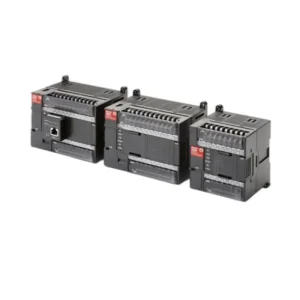
Procurement services for genuine electrical spares, mechanical drive units, and hardware from leading brands like Siemens, OMRON, Schneider Electric, Mitsubishi, and Delta.
Our structures protect international transactions and ensure compliant product shipments across borders.
Operating in international trade requires compliance with multiple safety and environmental regulations. Machine-Win Technology Co., Ltd. manages export control processes, including end-user certification, customs clearance, and compliance verification. Our logistics services ensure all instruments and accessories are securely packaged and documented, minimizing customs delays.
We coordinate calibration protocols to trace technical parameters back to National Metrology Institutes (such as NIST or PTB), verifying device precision before shipment. Our after-sales engineers provide virtual and onsite installation training to help customers integrate their new diagnostics systems smoothly.
Common technical questions answered by our engineering and logistics specialists.
Explore our extensive inventory of original electrical components, high-frequency signal generators, and mechanical gearboxes.
 Machine-Win