High-precision controllers and immersion modules optimized for power utility installations and distributed network infrastructure across Rwanda.
Evaluating East Africa's fastest-growing technology hub and its reliance on backup power infrastructure.
Rwanda's ambitious economic strategy, encapsulated in its Vision 2050, places technology, industrial expansion, and urban infrastructure at the core of national progress. As Kigali cements its status as a key business and ICT hub for East Africa, the need for stable, uninterrupted electricity has skyrocketed. Despite massive investments in the national grid by the Rwanda Energy Group (REG) and projects like the Nyabarongo II Hydropower Plant, local businesses, industrial parks, and telecommunication providers depend heavily on battery-backed backup power systems. The reliability of these systems hangs entirely on their battery health, making precision battery analyzers and maintenance instrumentation vital assets for the local industry.
In the industrial zones of Kigali, Bugesera, and Rwamagana, continuous production lines rely on massive Uninterruptible Power Supply (UPS) configurations. A single cell failure in a battery string can bring entire manufacturing processes to a halt, costing thousands of dollars in lost productivity. By utilizing advanced battery analyzers capable of measuring internal resistance, voltage decay, and electrochemical impedance spectroscopy (EIS), Rwandan engineering teams can accurately predict cell failure, schedule preventive maintenance, and significantly extend the lifespan of their backup battery packs.
Furthermore, Rwanda's telecom network, anchored by giants like MTN and Airtel, features thousands of base transceiver stations (BTS) scattered across the country's hilly terrain. Many of these remote towers operate off-grid or on unreliable grids, backed by hybrid solar-battery arrays. Deploying maintenance crews to remote, mountainous sites is both costly and logistically challenging. Integrating permanent, high-precision battery monitoring devices and conducting regular field testing using portable battery analyzers ensures maximum uptime, protects telecom infrastructure investment, and keeps rural communities connected.
How international standards and modern instrumentation shape the future of battery maintenance.
The global transition toward electrification, renewable energy storage systems (BESS), and electric vehicles (EVs) has driven a massive technological leap in the field of battery testing. Standard diagnostic techniques are shifting away from crude load-testing methods—which can damage cells and consume excessive energy—toward non-invasive, digital diagnostics. High-frequency internal resistance (IR) measurements and Electrochemical Impedance Spectroscopy (EIS) have emerged as the gold standards for assessing state-of-health (SoH) and state-of-charge (SoC).
Modern battery analyzers are no longer just basic voltmeters. They are sophisticated data-acquisition units integrated with cloud-based analytics platforms. Using artificial intelligence and machine learning algorithms, modern analyzers compare real-time impedance spectra with historical data profiles to predict precisely when a cell will degrade past its safe operating threshold. This proactive approach prevents catastrophic thermal runaway events, which represent a significant fire hazard in indoor battery rooms and server data centers.
Simultaneously, compliance with international standards such as IEEE 450 (for vented lead-acid batteries), IEEE 1188 (for VRLA batteries), and IEC 62485 (safety requirements for secondary batteries) has become mandatory for global enterprises. Regulatory compliance requires structured data logs, precise instrument calibration traceable to national standards, and regular testing schedules. Navigating these requirements demands a supply partner who not only provides hardware but also understands the underlying metrology and calibration procedures.
Why sourcing industrial electronic components and testing equipment from China delivers superior value.
Sourcing high-tech testing instrumentation and industrial electronics from China offers unparalleled strategic advantages for businesses operating in developing markets like Rwanda. As the manufacturing capital of the world, China hosts an extensive supply chain ecosystem that integrates raw material sourcing, component design, precision engineering, and rigorous quality control under one roof. This concentration of expertise allows Chinese factories to operate at scale, driving down production costs while maintaining high manufacturing standards.
Through strategic partnerships with major global brands and independent domestic manufacturers, Chinese exporters can deliver highly customizable, OEM/ODM instrumentation packages. Whether your operations require highly specific parameters for localized power grids, or ruggedized casing for harsh environmental conditions in equatorial regions, Chinese factories can quickly modify designs, develop prototypes, and scale up production far faster than Western counterparts. This speed-to-market is crucial for companies operating under tight project deadlines or expanding network footprints in East Africa.
Furthermore, quality control systems in leading Chinese factories are certified to ISO 9001 and ISO 14001 standards. Products are subjected to stringent environmental chamber testing, vibration testing, and EMI/EMC compliance checks before export. By combining this technical quality with optimized logistical networks—leveraging initiatives like the Belt and Road infrastructure to streamline shipping to ports like Mombasa and Dar es Salaam—Chinese supply chain partners like Machine-Win Technology Co., Ltd. offer an unbeatable value proposition of quality, affordability, and reliable delivery.
Deploying state-of-the-art diagnostic technology across critical infrastructure systems in Rwanda.
In remote areas like the Eastern and Southern Provinces, solar mini-grids act as the primary source of clean energy. The battery banks (primarily lithium-iron-phosphate or deep-cycle gel) represent the single largest capital expenditure. Utilizing hand-held battery analyzers allows local operators to balance cell charges, identify weaker cells early, and prevent localized failures from bringing down the entire community grid.
Data centers powering Rwanda's fintech and e-government portals require zero-downtime reliability. UPS battery strings must be continuously audited. Automated battery monitoring systems, coupled with manual secondary testing using precision multimeters and oscilloscopes (such as Keysight and Tektronix units), ensure backup power stands ready to assume load instantly if the main grid drops.
Rwanda's river network hosts numerous small to medium hydroelectric plants. These facilities rely on massive industrial battery banks to power emergency control systems, black-start generators, and valve actuators. Systematic tracking of battery state-of-health using professional diagnostic gear ensures safety and stability during grid synchronization phases.

Machine-Win Technology Co., Ltd. is a professional and reliable international supply chain partner specializing in providing a comprehensive range of electrical, electronic, and industrial products for diverse sectors worldwide. With extensive trade experience and a robust global network of tier-one manufacturers, we excel in delivering high-quality instrumentation, industrial control modules, and support services to keep your operations running seamlessly.
We serve as a strategic one-stop partner for testing instrument sales, repair, and calibration, as well as network testing solutions. We proudly offer top-tier brands including KEYSIGHT, R&S, TEKTRONIX, KEITHLEY, RIGOL, NI, MEGGER, DRUCK, YOKOGAWA, ITECH, and others. Our coverage spans everything from cable testers, fiber optic testers, and network analyzers to power quality meters, thermal imagers, process calibrators, resistance testers, and oscilloscopes.
Learn More & Contact UsHow we streamline procurement and maintain operational excellence for our partners in Rwanda.
Answers to technical questions regarding battery testing, diagnostic standards, and procurement processes.
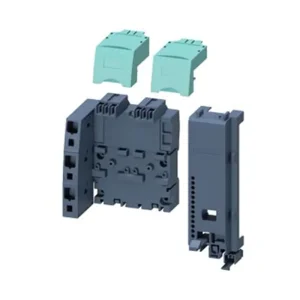
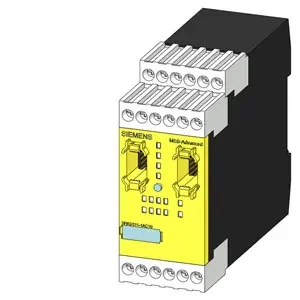
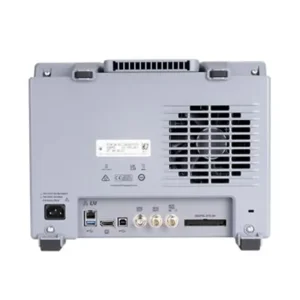
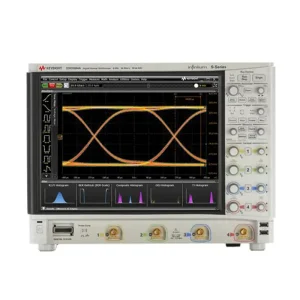
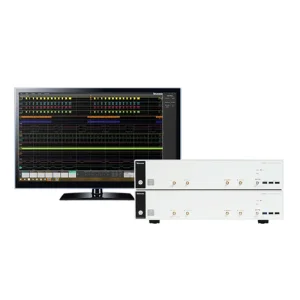
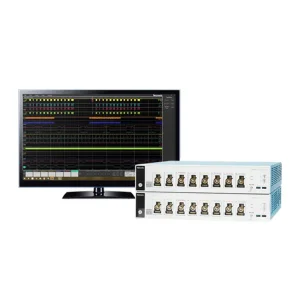
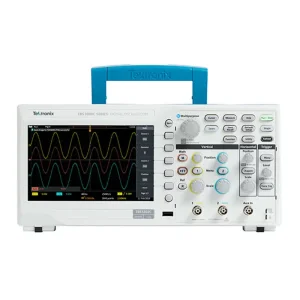
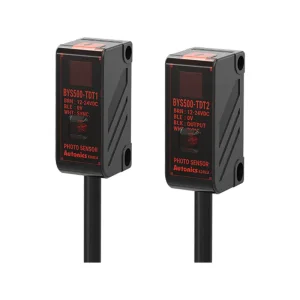
Explore our complete catalog of industrial control components, testing probes, oscilloscopes, and sensors for Rwandan infrastructure projects.
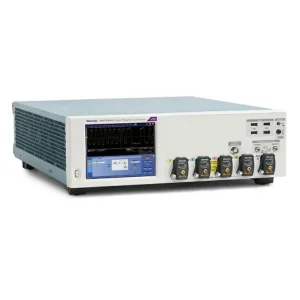
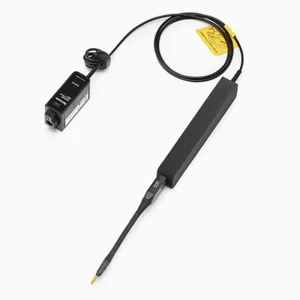
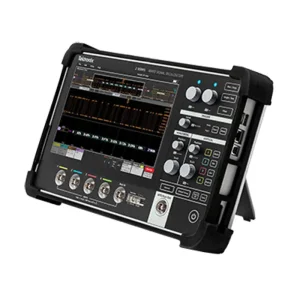
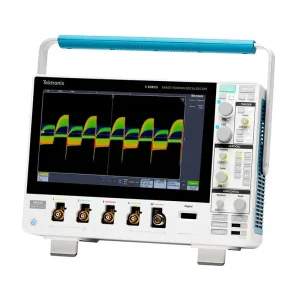
Partner with Machine-Win Technology Co., Ltd. for reliable instrument sourcing, factory calibration, and prompt delivery to Rwanda. Our engineering team is ready to assist with your technical specification requirements.
Send Inquiry Now Machine-Win