 Machine-Win
Whitepaper: Battery Diagnostic Infrastructure & Grid Testing in Brazil
As the largest economy in Latin America, Brazil is undergoing an unprecedented structural transition in energy distribution, telecommunications reliability, and transport electrification. To maintain system uptime and validate battery performance in tropical, high-humidity environments, advanced battery analyzers, precision data acquisition systems, and high-performance industrial controller modules have transitioned from optional secondary equipment to critical national infrastructure components.
The Current Industrial & Energy Landscape in Brazil
Brazil’s energy grid is uniquely dependent on renewable resources, with over 80% of its electricity generated via hydroelectricity, alongside a booming wind and solar generation matrix in the Northeast region. However, grid stabilization requires extensive deployment of Battery Energy Storage Systems (BESS) to smooth out intermittent generation patterns. Furthermore, the massive expansion of the 5G network across Brazil’s expansive metropolitan and remote territories requires thousands of decentralized telecom tower sites, each relying on high-reliability VRLA or Lithium-ion battery backup banks.
On the transport front, cities like São Paulo and Rio de Janeiro are aggressively electrifying their municipal bus fleets. Charging hubs, sub-stations, and vehicle maintenance facilities must implement standardized, high-voltage battery diagnostic routines to ensure the State of Health (SOH) and State of Charge (SOC) are maintained, preventing thermal runaway and maximizing battery operational lifespan.
Global Trends in Battery Analysis & Metrology
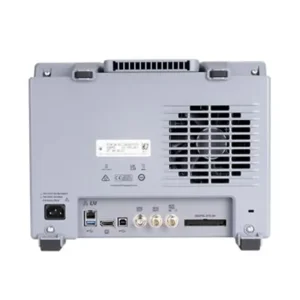
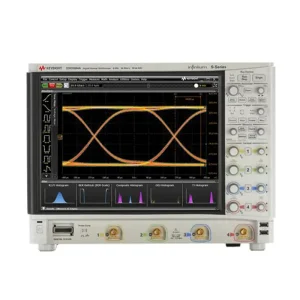
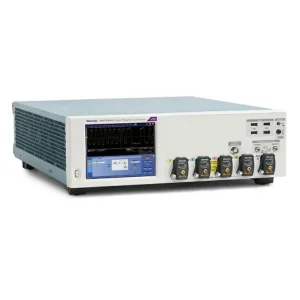
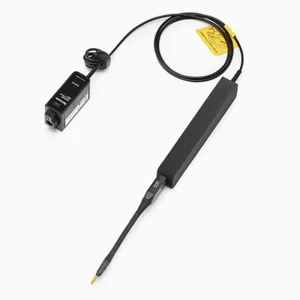
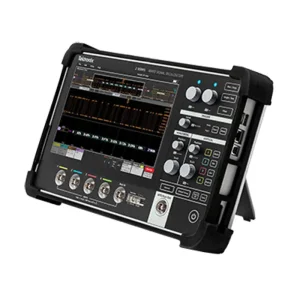
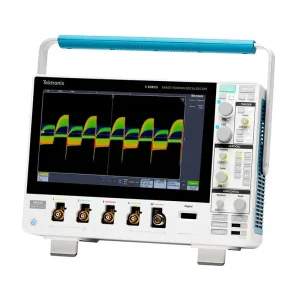
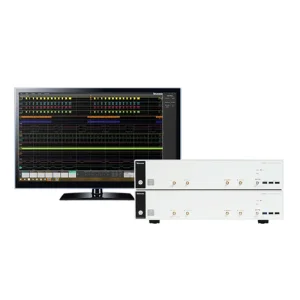
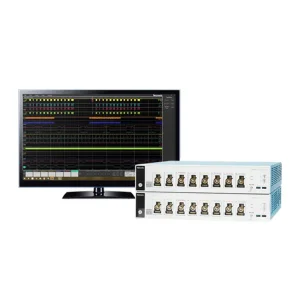
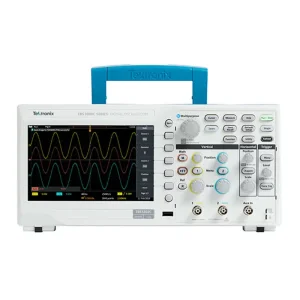
Internationally, the battery analyzer market has shifted away from simple load testing towards non-destructive, high-fidelity diagnostic methods. The industry gold standard is now Electrochemical Impedance Spectroscopy (EIS), which measures battery resistance over a wide frequency spectrum to identify internal degradation, anode plating, and cathode degradation without cell disassembly. To execute EIS at scale, engineers rely on high-definition oscilloscopes (such as the Keysight InfiniiVision and Tektronix MSO Series) coupled with custom current probes to measure tiny phase adjustments in voltage and current signals under load conditions.
Localized Application Challenges in Brazil
Operational technology in Brazil must account for key regional variables:
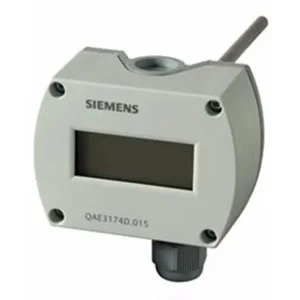
- Thermal Management: Higher ambient temperatures accelerate chemical degradation inside battery cells. Real-time temperature tracking via immersion sensors (e.g., Siemens QAE3174D.015) is critical during battery analyzer discharge cycles.
- Regulatory Standards: Safety compliance with ANATEL (for telecom backup systems) and INMETRO (for consumer and industrial electronics) requires all test equipment to be certified, calibrated, and traceable.
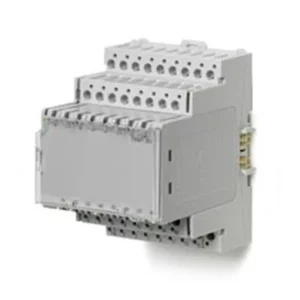
- Grid Integration: Seamless communication between battery management systems (BMS) and the main automation controller is achieved via industrial communications modules such as the Siemens TXM1.8D, which translates digital inputs into actionable grid commands.