Premium automation modules, sensors, and starting systems tailored for energy management infrastructure in the Greater Toronto Area (GTA).
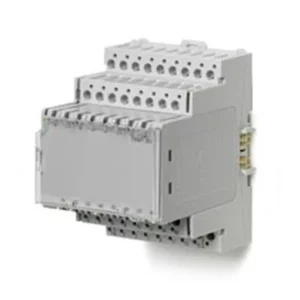
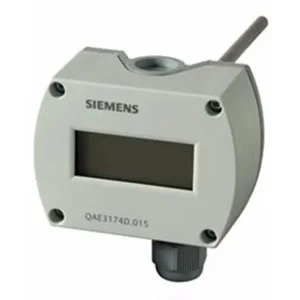
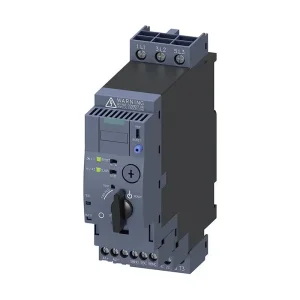
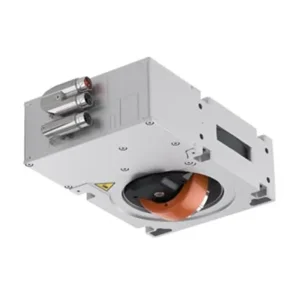
As the Greater Toronto Area (GTA) and the province of Ontario position themselves at the center of North America's clean energy and electric vehicle (EV) supply chain, the demand for sophisticated battery analyzers, dynamic impedance spectrometers, and production-line testing equipment has reached unprecedented heights. Industry giants, research universities, and utilities across Ontario are seeking optimized technical pathways to qualify battery cell chemistry, ensure safety compliance, and maximize lifecycle performance.
Southern Ontario is undergoing an industrial transformation driven by multi-billion-dollar investments in EV gigafactories, localized anode/cathode active materials processing, and energy storage integration. From Toronto's financial center funding green projects to the manufacturing centers in Windsor, Oakville, and Oshawa, battery health validation is a vital technical pillar. In this environment, battery analyzers are no longer just basic diagnostic tools; they are complex instrumentation suites combining electrochemical impedance spectroscopy (EIS), high-accuracy temperature sensors, and high-frequency digital monitoring interfaces to map battery behavior under load.
For local manufacturers and pack integrators, optimizing battery testing parameters is essential to meet strict Canadian standards. Crucially, battery analyzers must ensure the safe integration of lithium-ion, solid-state, and sodium-ion formulations inside public transit buses (such as the Toronto Transit Commission's growing zero-emission fleet), regional rail systems, and large-scale battery energy storage systems (BESS) designed to support the Independent Electricity System Operator (IESO) grid.
Traditional testers only record open-circuit voltage (OCV) and bulk resistance. Modern battery analyzers must capture dynamic voltage profiles at high digitizing rates to detect micro-faults, dendrite growth, and internal short-circuits before they lead to thermal runaway.
Across global and local industrial environments, battery testers must address different stages of the product lifecycle:
Essential modular safety systems, oscilloscopes, and safety relays key to forming safe battery test benches and diagnostic systems.
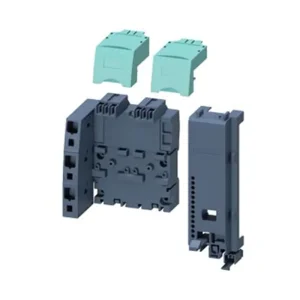
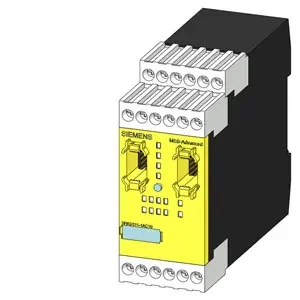
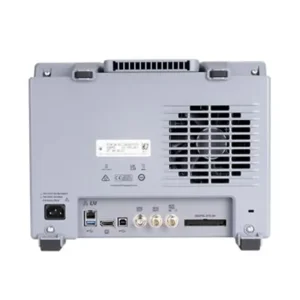
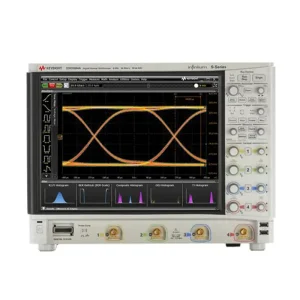
In Toronto and surrounding technological corridors like Mississauga, Markham, and Waterloo, battery testing systems are implemented across various demanding applications:
Telecom & Financial Data Center Backup: Toronto is home to one of North America's largest concentrations of data centers, serving the major Canadian banks and tech corporations. These facilities rely on massive uninterruptible power supplies (UPS). In these environments, battery impedance analyzers are permanently integrated into safety networks to monitor emergency backup battery banks, preventing catastrophic utility outages.
Automotive & EV Powertrain Diagnostics: As major automakers shift their operations in Oakville and Windsor to fully electric platforms, automated validation equipment must be integrated into high-speed assembly processes. High-fidelity sensors and fast-sampling input modules are used to map instant voltage drops under stress profiles, verifying that the assembled packs meet Canadian road safety specifications.
Evaluating the health of modern high-density batteries requires analyzing high-frequency signals. This is where advanced oscilloscopes, such as the Tektronix MSO Series and Keysight InfiniiVision digitizers, work alongside specialized battery cyclers. When analyzing electrochemical impedance:
Top-tier high-definition oscilloscopes, isolated current probes, digitizers, and photoelectric sensors to optimize and scale your battery analysis processes.
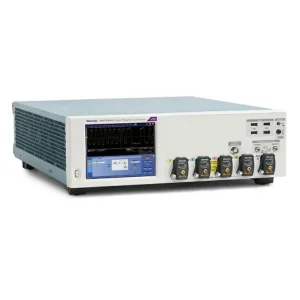
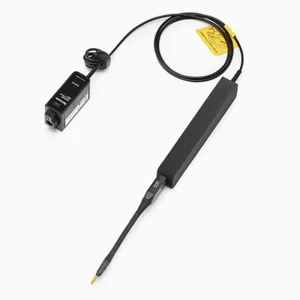
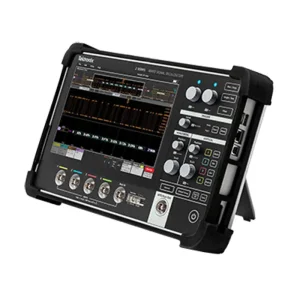
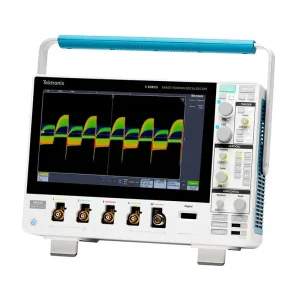
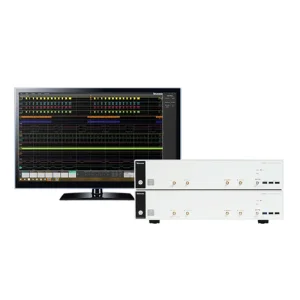
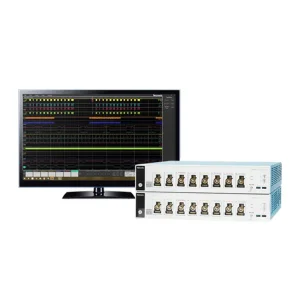
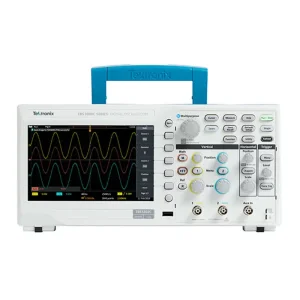
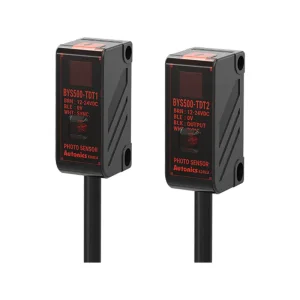
Machine-Win Technology Co., Ltd. is a professional and reliable international supply chain partner specializing in high-performance measurement instrumentation, electrical automation components, and industrial equipment. Backed by an extensive network of top-tier global manufacturers, we offer end-to-end solutions that support local production requirements from testing and integration to long-term operational maintenance.
Integrating equipment, machines and spare parts into one seamless service—your shortcut to business success.
Testing lithium-based batteries in Canada involves strict regulatory requirements. Safety guidelines from organizations like the Canadian Standards Association (CSA), Underwriters Laboratories (UL 1973, UL 9540), and local Ontario electrical codes require strict testing protocols. Dynamic battery analyzers help test labs prove that custom battery packs can handle short-circuits, overcharging, and thermal stress without leaking or failing.
Operating in Toronto requires local calibration access. Industrial systems require periodic calibration aligned with ISO/IEC 17025 standards to ensure repeatability and limit measurement drift. Machine-Win Technology guarantees certified, traceable instrumentation to keep your test floors aligned with national standards.
The battery test industry is moving away from passive testers toward smarter, integrated systems:
Common questions about industrial battery testing systems, local calibration, and integration in Toronto, Ontario.
 Machine-Win