High-performance instrumentation modules configured to monitor grid battery safety, temperature profiles, and starting dynamics across Chile’s harsh operating terrains.
Why precise impedance, capacity, and lifecycle battery testing is critical to safeguarding Chile's infrastructure assets under extreme operating stresses.
Chile has positioned itself as a global powerhouse for renewable energy, capitalizing on the Atacama Desert's exceptional solar irradiance and strong wind corridors across the southern regions. However, the intermittent nature of green power has led the Chilean Ministry of Energy to mandate large-scale Battery Energy Storage Systems (BESS) to stabilize the national grid (SEN). In projects like those developed in the Antofagasta region, maintaining battery bank integrity is paramount.
To avoid massive downtime and prevent catastrophic thermal runaway events, grid operators require highly precise battery analyzers. These diagnostic instruments measure parameters such as Electrochemical Impedance Spectroscopy (EIS), internal cell resistance, and open-circuit voltage (OCV). Identifying degraded lithium-ion or lead-acid cells early allows localized replacements, preserving the integrity of multi-megawatt storage installations.
Chilean mining operations (producing over 28% of the world's copper and holding the largest lithium reserves in the Salar de Atacama) operate in environments characterized by high altitudes (often exceeding 3,000 meters above sea level), dust, and massive day-to-night temperature fluctuations. Power reliability is critical for drill rigs, heavy haul trucks, and local telemetry networks.
Substation backup battery systems and heavy machinery starter batteries must be tested under real-world load conditions. Using specialized industrial battery testers allows technical crews to accurately map the state of health (SoH) and state of charge (SoC) of power blocks. This proactive diagnostic regimen prevents equipment failure during high-value extraction runs, ensuring worker safety and operational continuity.
"Operational resilience in Chile's mining and energy corridors is directly tied to the health of backup battery infrastructures. Integrating high-accuracy diagnostic instruments into preventive maintenance protocols reduces unplanned power failures by up to 87%."
How our smart sourcing, verification systems, and strategic logistics routes bridge the gap between premium instrument manufacturing and the Chilean market.
We aggregate and distribute leading testing brands, including Keysight, Tektronix, Fluke, Megger, Siemens, and custom OEM/ODM modules. This ensures procurement managers access high-precision calibration equipment from a unified logistics channel.
Our partner facilities implement highly automated QA pipelines. From component aging tests to final trace-to-standard calibration certificates, we ensure every battery analyzer shipped to Valparaíso or San Antonio meets ISO/IEC specifications.
Leveraging the China-Chile Free Trade Agreement (FTA), we streamline customs paperwork, classification certificates, and priority airfreight logistics. This minimizes tariff overheads and ensures prompt delivery to mining sites across Antofagasta.
Machine-Win Technology Co., Ltd. is a professional and reliable international supply chain partner specializing in providing premium test instruments and automated industrial modules. With extensive experience and a global network, we deliver high-quality diagnostic products and custom OEM/ODM solutions.
From sales and calibration to network verification, we maintain direct partnerships with industry-leading manufacturers, allowing us to supply original equipment from brands like KEYSIGHT, R&S, TEKTRONIX, KEITHLEY, NI, MEGGER, SIEMENS, and MITSUBISHI.
Authentic test modules, high-frequency oscilloscopes, and specialized sensors optimized for Chilean industrial, BESS, and mining applications.
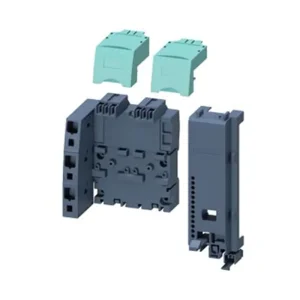
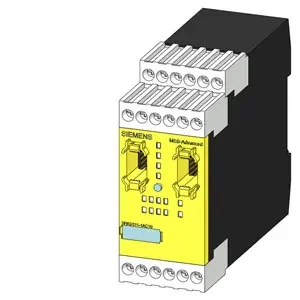
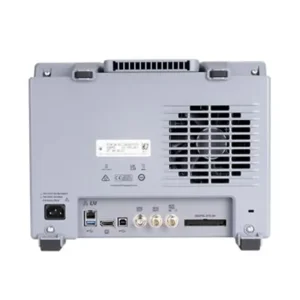
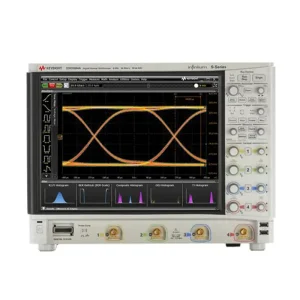
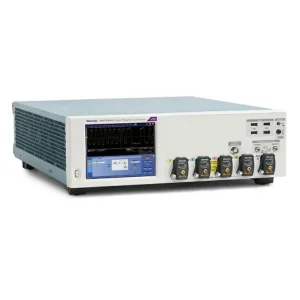
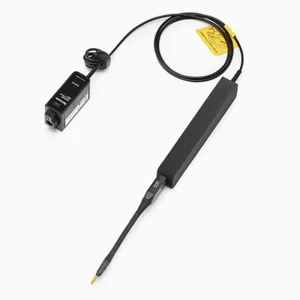
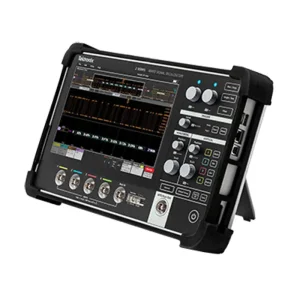
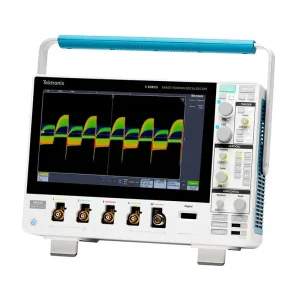
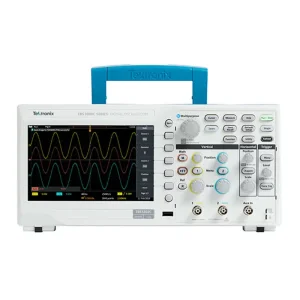
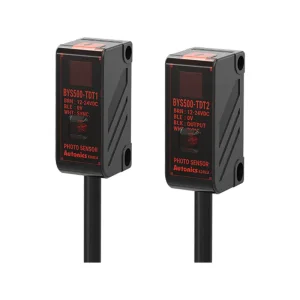
A professional guide to key parameters, diagnostic methods, and system configuration rules for industrial procurement teams.
When selecting a battery analyzer for industrial deployment in Chile, technical teams typically compare two measurement principles: Alternating Current (AC) internal resistance (impedance) testing and Direct Current (DC) load discharge profiling. Both methodologies serve distinct diagnostic functions:
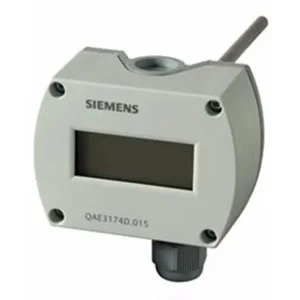
Internal cell degradation correlates with heat dissipation during charge and discharge cycles. High-precision immersion temperature sensors, like the Siemens QAE3174D.015, integrated into localized cooling systems, play a vital role. In high-altitude solar storage facilities, lower air density reduces natural convection cooling. Monitoring cooling loop temperatures prevents hot spots that lead to cell swelling, separator breakdown, and thermal runaway.
1. Substation Battery Autonomy Audits: Mining sites require standby power for switchgears and protection relays. Technical teams use handheld battery analyzers to verify that substation backup battery banks can sustain at least 8 hours of autonomous operation during grid drops.
2. BESS Commissioning & Cell Matching: Newly constructed lithium-ion battery containers require precise internal resistance matching before grid connection. Out-of-spec cells are identified and isolated using high-speed multi-channel data digitizers, ensuring optimal balancing throughout the system's operational lifetime.
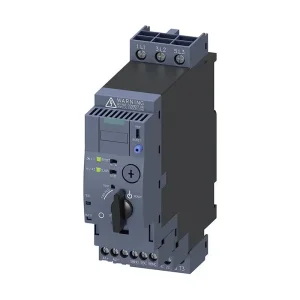
3. Heavy Machinery Starting Reliability: Diesel excavators and haulers require high cranking currents. Real-time starters and battery voltage profiling monitors, integrated with compact control modules, verify battery performance before operators start their shifts, reducing starting failure risks.
Technical advice for engineering teams and procurement specialists importing battery testing instruments to Chile.
 Machine-Win