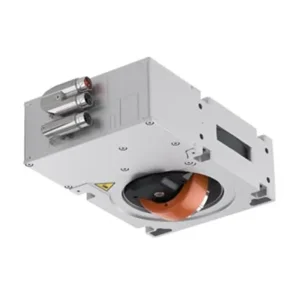
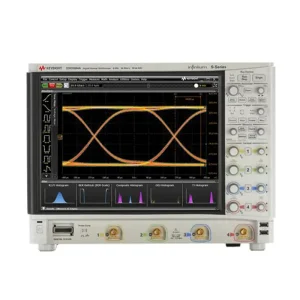
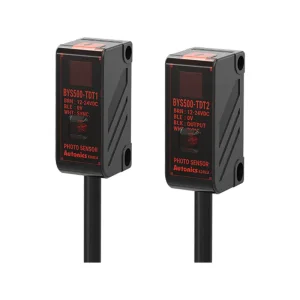
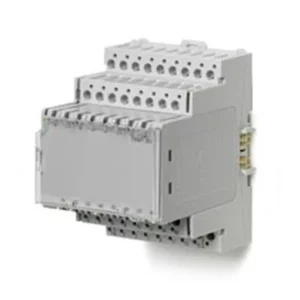
Selected industrial automation interfaces and temperature logging modules essential for assembling multi-channel battery testing systems and environmental chambers.
As a critical energy and logistics hub in the South Caucasus, Azerbaijan is undergoing rapid industrial diversification. Historically driven by oil and gas extraction across the Caspian shelf, the country is executing a comprehensive energy transition strategy. Central to this strategic shift is the deployment of large-scale renewable projects, grid modernization, and the electrification of public transportation.
Industrial batteries—ranging from vast stationary VRLA (Valve-Regulated Lead-Acid) and Nickel-Cadmium battery banks to advanced Lithium-Iron-Phosphate (LiFePO4) energy storage systems (BESS)—are the foundational infrastructure securing these installations. Regular diagnostic evaluation using industrial battery analyzers has transitioned from a routine preventative maintenance item to an absolute compliance requirement. Battery failures in harsh environments, such as the offshore platforms operated by SOCAR, or the high-load substation networks of Azerenerji, carry catastrophic financial and operational consequences.

A comprehensive overview of how battery testing methodologies are shifting globally toward real-time telemetry, advanced state-of-health estimation, and active cell balancing diagnostics.
The gold standard in battery diagnostics. Analyzing internal cell impedance across multiple AC frequencies to detect micro-cracks in plates and early-stage sulfation without capacity-draining discharge tests.
Utilizing predictive telemetry and historical discharge patterns to accurately estimate the remaining useful life (RUL) of remote backup battery banks across telecom networks.
Modern analyzers require micro-ohm and micro-volt level resolution to identify single weak cells in high-voltage series strings, protecting the entire pack from domino failures.
Globally, the industry is transitioning from reactive testing (replacing batteries only after failure) to prognostic analytics. For Baku-Tbilisi-Ceyhan (BTC) pipeline monitoring stations, the deployment of modular, high-capacity battery testing systems allows operators to conduct simulated load profiles while keeping the DC bus online. Future-proof battery analyzers must integrate compatibility with diverse battery chemistries (including classic lead-acid, gel cell, nickel-cadmium, and increasingly, lithium-based technologies). By deploying analyzers with built-in protocols for testing active BMS (Battery Management System) reporting accuracy, engineering teams can verify that the digital sensor telemetry matches the true physical condition of the electrochemical cell.
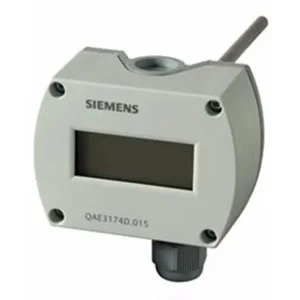
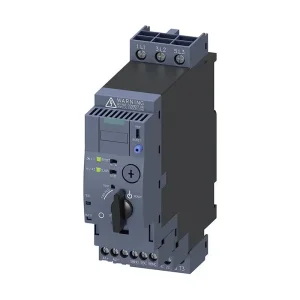
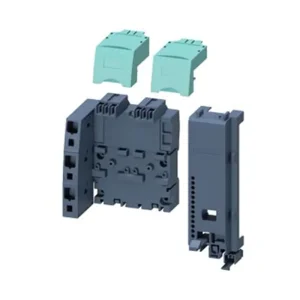
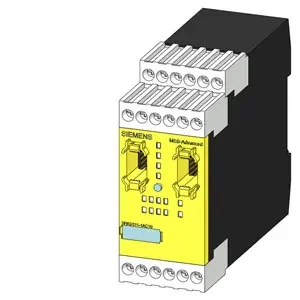
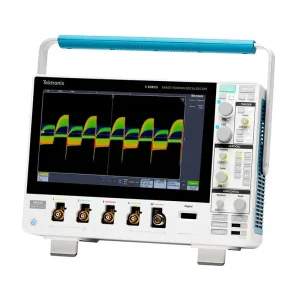
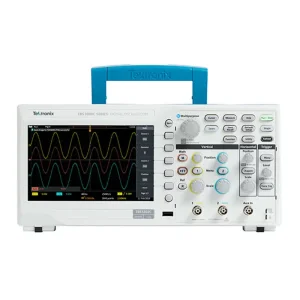
These industrial control systems, safety relays, and high-frequency oscilloscopes are instrumental in engineering, calibrating, and maintaining high-power battery tester rigs.
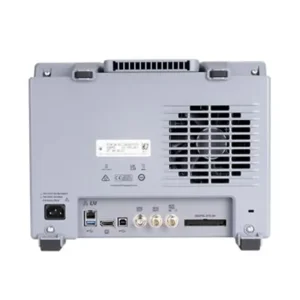
Understanding where precision diagnostic instruments protect essential infrastructure and ensure energy security across regional operations.
In the Caspian Sea (such as the Azeri-Chirag-Gunashli platforms), backup power systems are critical for life safety, DCS operations, and emergency shut-down valves. Handheld battery analyzers verify cell internal resistance to ensure immediate response in blackouts.
The ongoing creation of green energy zones in Karabakh and Nakhchivan relies heavily on utility-scale BESS. Multi-channel testing stations diagnose cell degradation, allowing for safe integration and localized peak-shaving without destabilizing the national grid.
For critical cellular base stations distributed across mountainous corridors, regular testing ensures that standard lead-acid or lithium battery arrays provide required autonomy, averting unexpected service drops during remote grid interruptions.
Your strategic international supply chain and precision instrument partner. We specialize in sourcing, calibration, repair, and engineering support for high-precision diagnostic systems.
Machine-Win is your one-stop partner for instrument sales, repair, and calibration, as well as network testing solutions. We offer top-tier brands like KEYSIGHT, R&S, TEKTRONIX, KEITHLEY, RIGOL, NI, MEGGER, DRUCK, YOKOGAWA, ITECH, and more. Our technical solutions cover everything from cable testers, fiber optic systems, and network analyzers to power quality meters, thermal imagers, high-precision multimeters, process calibrators, resistance testers, and oscilloscopes.
Additionally, we function as a strategic industrial procurement ally, offering brand-new, original electronic and mechanical spare parts from manufacturers like MITSUBISHI, SIEMENS, SCHNEIDER, PANASONIC, OMRON, DELTA, WEINTEK, EMERSON, EATON, and PHOENIX CONTACT. We also deliver OEM/ODM capabilities to fulfill specialized client specifications.
A comprehensive inventory of signal analyzers, digital storage oscilloscopes, safety probes, and photo-electric sensors that support industrial testing facilities.
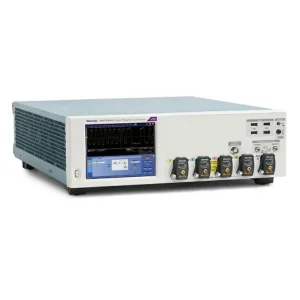
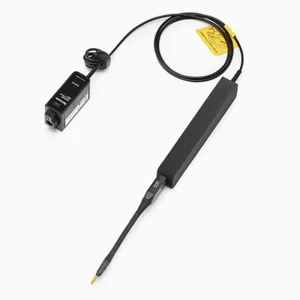
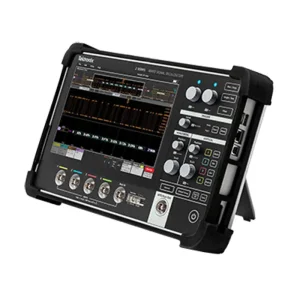
A technical assessment of global compliance requirements for stationary battery operations in heavy industrial fields.
Executing structural testing on industrial stationary backup batteries requires compliance with internationally recognized engineering standards. These standards guide the parameter configurations of battery analyzers to distinguish between acceptable cell variance and critical indicators of imminent failure:
A common failure point in emergency backup systems is relying solely on terminal voltage (which indicates State of Charge) to evaluate capacity. An aged, degraded cell can display 100% nominal voltage (SOC) under open-circuit conditions, yet collapse to zero under load because its internal resistance has increased due to plate sulfation or active material loss.
Modern battery analyzers isolate these parameters. By superimposing an alternating current (AC) signal onto the DC terminals, they measure complex impedance. This technique yields precise metrics on grid corrosion, plate damage, and electrolyte dry-out without subjecting the battery to capacity-depleting physical discharge cycles.
Providing expert answers to complex procurement, calibration, and engineering integration challenges in Azerbaijan and global markets.
Connect with our technical sourcing engineers for custom bids, product compatibility validation, and international logistics pipelines direct to your project sites in Azerbaijan.
Send Inquiry Now Machine-Win