Highly integrated components configured specifically for telemetry, environmental tracking, and power substation management across Kenya.
Comprehensive analysis of battery intelligence, diagnostics, and preventative maintenance strategies.
Kenya stands as one of the most dynamic economies in Sub-Saharan Africa, driven by the rapid growth of its ICT hub, widely referred to as the "Silicon Savannah," and an aggressive transition to renewable energy. According to the Energy and Petroleum Regulatory Authority (EPRA), over 80% of Kenya's electricity is generated from renewable sources like geothermal, hydro, and wind. However, the integration of intermittent renewable energy into the national grid creates substantial challenges for grid stability. This has triggered a surge in demand for large-scale Battery Energy Storage Systems (BESS) and commercial backup power.
Concurrently, Kenya's telecommunication towers, operated by giants like Safaricom and Airtel, rely heavily on hybrid power networks—combining solar, diesel generators, and deep-cycle lithium-ion or gel battery banks to guarantee 99.9% uptime. In remote regions, base transceiver stations (BTS) suffer from high ambient temperatures and rapid cycling, which severely shorten battery service life. To prevent catastrophic power failures and mitigate high capital expenditures on premature battery replacements, local enterprises must adopt advanced, industrial-grade battery analyzers. These devices perform Electrochemical Impedance Spectroscopy (EIS), state-of-charge (SoC) calculations, and state-of-health (SoH) diagnostics to identify weak cells before they compromise the entire string.
Globally, the testing and measurement sector has transitioned from simple voltage and load testers to predictive, algorithmic battery diagnostic systems. Modern battery analyzers must accommodate diverse chemistries, including traditional flooded lead-acid, Valve Regulated Lead-Acid (VRLA), Absorbent Glass Mat (AGM), Gel, and increasingly, Lithium Iron Phosphate (LiFePO4).
For critical infrastructure, global procurement standards dictate the use of analyzers that interface directly with SCADA systems and cloud-based Battery Management Systems (BMS). Features such as ripple current monitoring, thermal runway tracking, and automated discharge profiling are standard. As international supply chains face pressure, the optimization of existing energy assets through high-precision testing is no longer optional—it is a core operational requirement.
China remains the global nucleus for both battery production and the manufacturing of testing instrumentation. By sourcing industrial battery test equipment and automation modules through a strategic supplier like Machine-Win Technology Co., Ltd., Kenyan enterprises secure unmatched structural advantages:

A breakdown of our specialized divisions, brand alliances, and custom OEM/ODM pipelines.
Sales, professional repair, and trace-certified calibration for top-tier global brands including KEYSIGHT, R&S, TEKTRONIX, KEITHLEY, RIGOL, NI, MEGGER, DRUCK, YOKOGAWA, ITECH, and more.
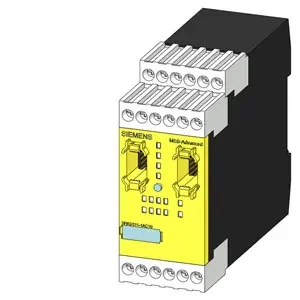
Strategic supply partnerships for brand-new, original industrial brands covering electronics, electrical spares, and machinery components. Brands include MITSUBISHI, SIEMENS, SCHNEIDER, PANASONIC, OMRON, DELTA, and EATON.
Tailored engineering and supply solutions for computing accessories (industrial battery packs, power adapters, chargers) and high-volume packaging systems like POF shrink films.
Providing high-precision hardware paired with setup documentation, ensuring smooth integration into Kenyan municipal systems, local telecom towers, and manufacturing centers.
Equipping network administrators with fiber optic testers, cable qualifiers, and RF analyzers to guarantee network reliability alongside backup power architectures.
Decades of global trade expertise utilized to minimize procurement overheads, verify regulatory compliance, and execute seamless logistics into East Africa.
Targeted battery analysis solutions designed for the unique operational environments of East Africa.
Microgrid operators deploying solar storage systems in rural off-grid sites require periodic verification of battery capacity. High-resolution analyzers enable local engineers to perform precise discharge tests, measuring the capacity loss of lead-acid or lithium-ion storage arrays under real-world conditions without disrupting the power supply.
Telecom engineers use portable impedance analyzers to run rapid diagnostics on 48V backup battery banks. Because base stations often run on battery power during daily load-shedding windows, identifying cells with high internal resistance protects the base station from unexpected drops in voltage.
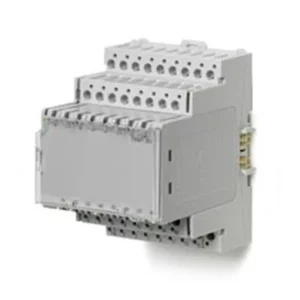
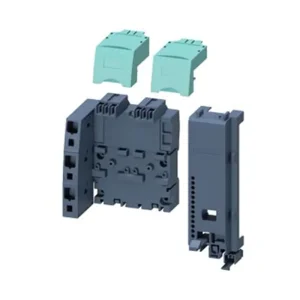
For critical financial services and cloud service providers in Nairobi, UPS failures during grid changeovers are unacceptable. Automated battery monitoring systems integrated with digital input modules (such as the Siemens TXM1.8D) track emergency battery strings continuously, logging data to detect cell failure indicators immediately.
Expert answers addressing the selection, maintenance, and deployment of analytical hardware.
As a battery cell ages, electrochemical degradation—such as sulfation in lead-acid batteries or solid electrolyte interphase (SEI) growth in lithium batteries—increases the internal resistance. By tracking IR fluctuations using high-precision analyzers, maintenance teams can identify deterioration early, replacing individual cells rather than entire arrays.
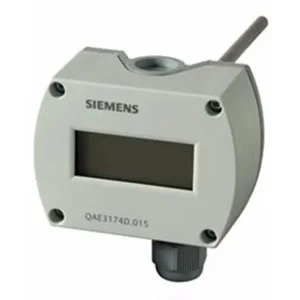
Elevated temperatures accelerate electrochemical reactions and battery degradation. High-precision sensors, such as the Siemens QAE3174D.015, monitor changes in electrolyte and ambient temperature during discharge cycles. This prevents thermal runaway and ensures compliance with factory performance metrics.
EIS evaluates battery impedance across a range of AC frequencies. This test measures solution resistance, charge transfer resistance, and double-layer capacitance, allowing diagnostic teams to isolate structural and chemical degradation mechanisms without destroying the cells.
Yes. Digital input modules like the Siemens TXM1.8D collect dry contact status signals, fault alarms, and circuit breaker trip inputs from industrial battery chargers and UPS cabinets, feeding real-time diagnostic alerts into the central control system.
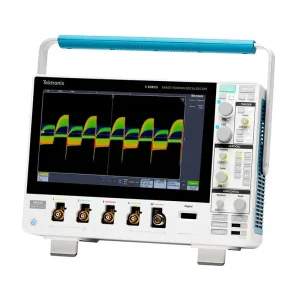
High-resolution digitizers, mixed-signal oscilloscopes, and isolated current probes from Keysight and Tektronix measure transient voltage and current profiles during rapid charging and load shifts. This precision testing is essential for battery pack design, BMS testing, and compliance validation.
Yes. All instrumentation sourced through Machine-Win can be supplied with comprehensive factory testing, calibration documentation, and standard warranties, meeting international standards for compliance and quality control.
Industrial diagnostic and current measurement systems designed for battery cell R&D, grid telemetry, and high-frequency fault analysis.
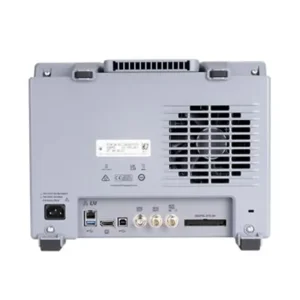
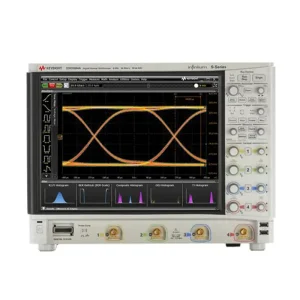
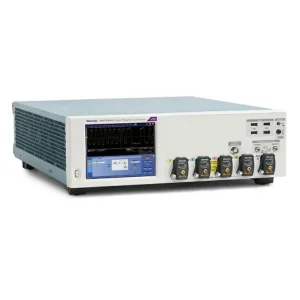
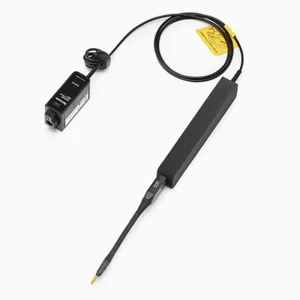
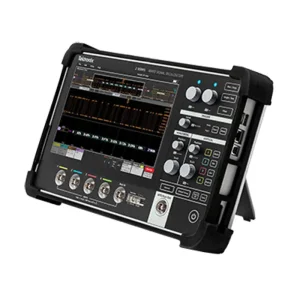
Partner with Machine-Win Technology Co., Ltd. for direct access to genuine battery testing hardware, factory calibration services, and global delivery solutions.
Send Inquiry Now Machine-Win