Leading critical diagnostic architectures optimized for industrial testing protocols and automated calibration setups in New Zealand.
As New Zealand works toward its target of 100% renewable electricity generation by 2030, the resilience of decentralized power infrastructure hinges on precise battery diagnostics, health assessment, and life cycle verification.
New Zealand’s unique geography presents distinct challenges for grid infrastructure. The Long White Cloud depends heavily on hydro-electricity, wind farms, and geothermal generators. Because these generation points are often far from major industrial hubs like Auckland or Christchurch, the grid relies on battery energy storage systems (BESS) and high-voltage transmission pathways to ensure stability. Without reliable battery systems to handle peak loads and frequency fluctuations, the risk of localized power interruptions rises.
This is where high-precision battery analyzers play a vital role. By assessing internal resistance, open-circuit voltage, capacity degradation curves, and overall health, engineers can identify failing cells before they trigger wider system failures. For New Zealand’s remote communities, agricultural cooperatives, and utility operators, our battery testing solutions provide the data needed to keep systems running smoothly and prevent unplanned downtime.
Our tailored diagnostic machinery serves several key sectors across New Zealand:
Modern diagnostics are moving beyond simple voltage checks. Today's tools combine physical testing with smart software to predict battery aging and prevent issues before they occur.
By injecting a range of AC frequencies into a cell, EIS maps its internal chemical processes. This allows operators to identify issues like grid corrosion, electrolyte dry-out, and active material loss long before they show up in standard voltage readings.
Testing batteries under real-world discharge conditions is critical for sizing backup systems. Our analyzers apply precise constant-current or constant-power loads, measuring capacity against nominal ratings to ensure compliance with NZ standards.
We are integrating machine learning algorithms that compare local battery test data with global profiles. This allows operators to predict the remaining useful life (RUL) of lithium and lead-acid batteries with high accuracy, helping them plan replacement cycles and minimize costs.
Testing equipment in New Zealand must comply with local safety and environmental standards, including AS/NZS 3000 wiring rules and AS/NZS 5139 standards for battery installation and safety. Our instruments are designed and calibrated to meet these strict requirements, protecting your staff and keeping your installations compliant. Furthermore, our support network offers calibration services to prevent sensor drift and maintain test accuracy over time.
Managing the supply chain for advanced testing instruments requires balancing precision with rapid delivery. Through our established hub in China, Machine-Win Technology Co., Ltd. bridges the gap between advanced manufacturing clusters and the New Zealand market. This allows us to supply both standard diagnostic tools and custom OEM/ODM solutions quickly and cost-effectively.
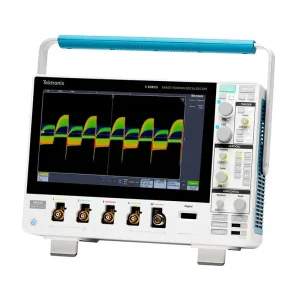
We maintain close relationships with leading instrumentation and automation brands, including KEYSIGHT, R&S, TEKTRONIX, KEITHLEY, SIEMENS, and MITSUBISHI. By combining these advanced systems with our own custom testing solutions, we provide New Zealand businesses with a single source for sales, repair, and calibration. This unified approach simplifies procurement, cuts costs, and ensures you get the right tool for your specific application.
Machine-Win Technology Co., Ltd. is your international partner for instrument sales, repair, calibration, and customized industrial diagnostics.
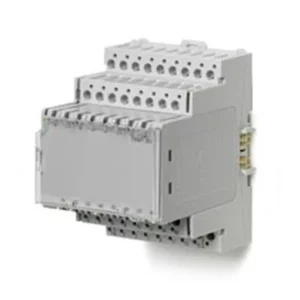
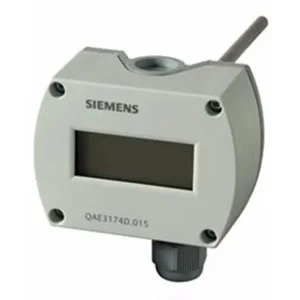
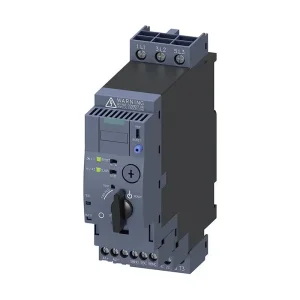
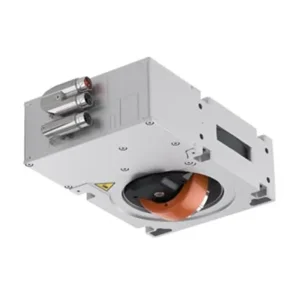
Explore our range of testing instruments, sensors, and safety modules, all selected to meet the reliability needs of New Zealand’s commercial and utility networks.
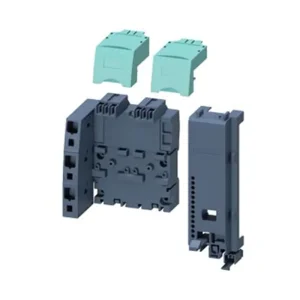
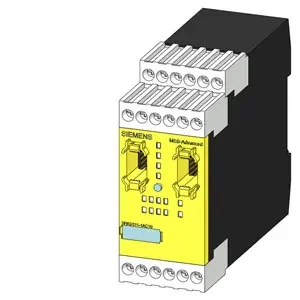
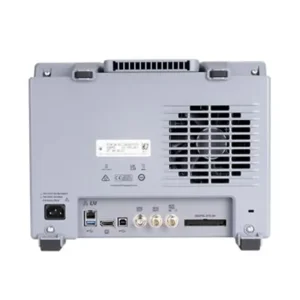
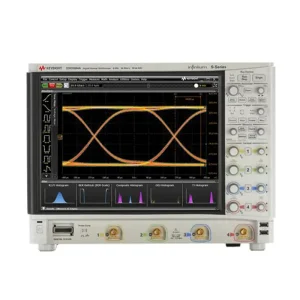
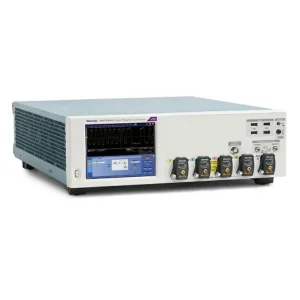
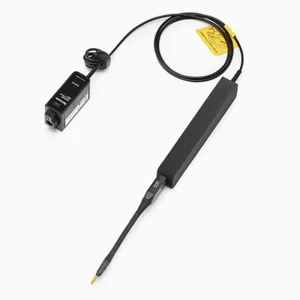
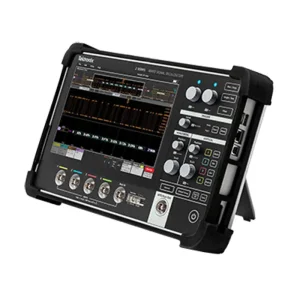
Get answers to common technical questions about battery analyzer technology, compliance, and operation in New Zealand's industrial sectors.
AC impedance testing applies a low-current AC signal to measure the internal resistance of individual cells without draining them, making it ideal for routine health checks. DC load testing, on the other hand, draws actual current from the battery pack to measure voltage sag under load, validating real-world capacity. Combining both methods provides a complete picture of battery condition.
Our testing platforms verify the parameters required by AS/NZS 5139, including isolation resistance, ground continuity, thermal behavior under load, and over-current protection response times. This ensures that battery installations operate safely and remain fully compliant with Australasian regulations.
EIS allows engineers to detect early-stage battery degradation, such as lithium plating, dendrite growth, or mechanical changes within cells. Finding these issues early helps prevent thermal runaway, protects grid-scale assets, and makes maintenance scheduling more predictable.
To maintain high accuracy, we recommend calibrating testing instruments once a year. For systems operating in harsh environments or used in critical applications like utility BESS testing, semi-annual calibration may be required to keep measurements within tolerance.
Yes, our battery diagnostics can connect directly with industrial networks using protocols like Modbus TCP/IP, EtherNet/IP, or custom APIs. This allows operators to monitor battery health metrics and receive alerts in real time through their existing control systems.
Temperature changes affect the internal chemical reactions of batteries, altering internal resistance and capacity readings. Our diagnostic tools feature automatic temperature compensation, adjusting raw measurements to standard reference temperatures (typically 20°C or 25°C) to ensure consistent data year-round.
Get in touch with our engineering team for expert guidance on custom testing setups, device calibration, or strategic component sourcing for your New Zealand operations.
Send Inquiry Now Machine-Win