Explore our foundational range of premium calibration, instrumentation, and test interface nodes.

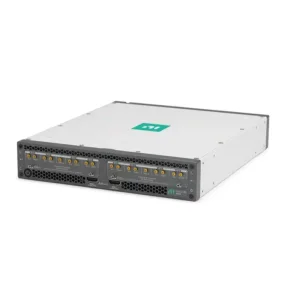
Machine-Win Technology Co., Ltd. is a professional and reliable international supply chain enterprise specializing in high-performance equipment, specialized industrial systems, and advanced microwave components.
With deep-seated experience in global trade, we have cultivated a robust, multi-tier supply network that enables us to deliver high-quality products and satisfactory integration services to scientific labs, telecommunication entities, and industrial plants worldwide.
Our operational framework focuses on resolving complex procurement bottlenecks. By combining technical verification with seamless shipping logistics, we ensure that critical test hardware, high-frequency modules, and industrial components reach their destinations under full compliance and performance guarantees. Our commitment to excellence, reliability, and proactive customer service establishes Machine-Win as a leading partner in the global trade field.

A unified portal for instrumentation acquisition, maintenance, custom structural components, and supply optimization.
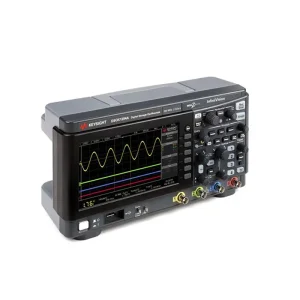
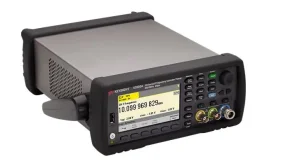
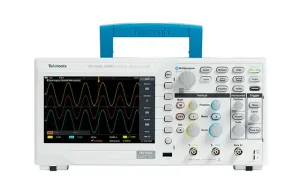
Complete lifecycle management including instrument sales, precise repairs, and traceable calibration standards. We help maintain system reliability for tools from KEYSIGHT, ROHDE & SCHWARZ, TEKTRONIX, and more.
Implementation of software-defined radio networks and structural microwave diagnostics. We supply specialized nodes, signal analyzers, and network verification suites to diagnose high-speed telecom networks.
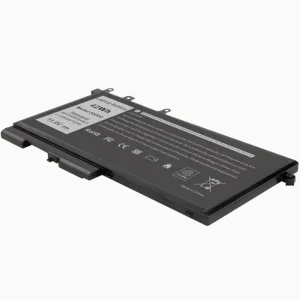
Custom production runs for computing enclosures, rechargeable laptop batteries, specialized POF packaging materials, and raw industrial alloys tailored to mechanical engineering requirements.
Analyzing the shift in high-frequency engineering toward hybrid Metal Matrix Composites (MMC) and integrated Monolithic Microwave Circuits.
In modern aerospace, satellite communications (SATCOM), and 5G/6G infrastructure, the thermal and electrical performance demands on microwave and millimeter-wave (mmWave) packaging have reached unprecedented thresholds. This is where Metal Matrix Composites (MMC), particularly Silicon Carbide-reinforced Aluminum (AlSiC) or Copper-molybdenum (CuMo) composites, play a key role. MMCs present a unique capability: they align the Coefficient of Thermal Expansion (CTE) directly with semiconductor chip materials such as Gallium Nitride (GaN) and Gallium Arsenide (GaAs) while preserving high thermal conductivity.
As operating frequencies scale up to the E-band, W-band, and beyond, traditional packaging materials fail to dissipate heat efficiently, leading to thermal stress and structural failures. Custom MMC packages and microwave carriers stabilize these high-power modules. They provide structural protection, electromagnetic interference (EMI) shielding, and an integrated thermal path directly out of the active die area, ensuring system longevity and stable RF output power.
The transition toward phased-array radar, LEO satellite constellations, and commercial millimeter-wave communications has accelerated the demand for highly customized microwave components. Modern procurement frameworks focus heavily on three major engineering pillars:
How we bridge high-frequency engineering requirements with reliable supply chain systems.
Supplying specialized MMC housings, hermetic seal feedthroughs, and low-loss RF interconnects designed to handle structural launch loads and the thermal variations of space deployment.
Customized packaging designs offering active thermal dissipation, moisture resistance, and optimized EMI/RFI shielding configurations to withstand high outdoor environments.
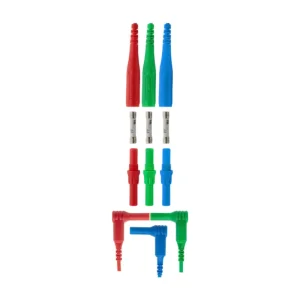
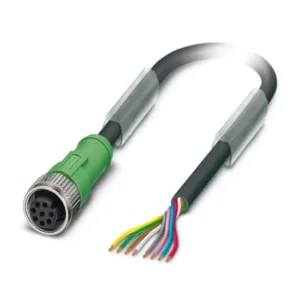
Providing precision test cables, adapters, and interface modules designed to support vector network analyzers and spectrum analyzers during calibration phases.
Combining equipment sourcing, custom fabrication, and verification services under one reliable structure.
Access to top-tier instrumentation brands including KEYSIGHT, ROHDE & SCHWARZ, and TEKTRONIX. We handle the technical validation and secure delivery of high-value testing platforms.
Our engineering support desk and logistics division assist customers throughout the layout validation, testing setups, and international compliance processes.
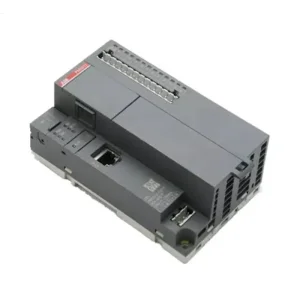
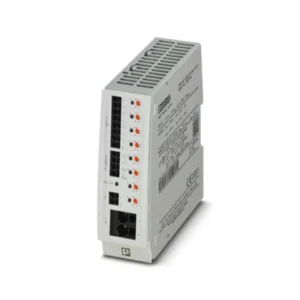
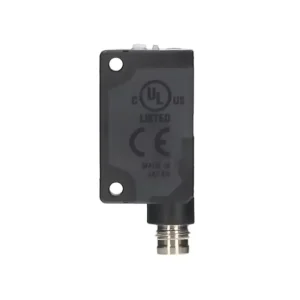
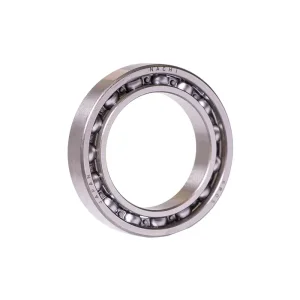
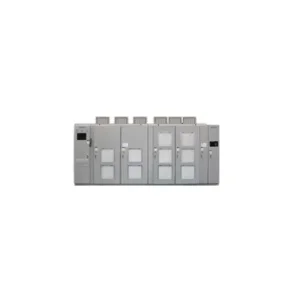
We source brand-new, original industrial products ranging from mechanical wear parts (like NACHI bearings) to process drives (such as YASKAWA MV1000) and Phoenix Contact interface modules.
We work to optimize supply chain cost performance. By screening global vendors, we verify part authenticity and deliver custom OEM components tailored to client drawings.
Operating a responsive client communication line to handle urgent inquiries, critical production stoppages, and fast component delivery needs.
A closer look at why custom Metal Matrix Composites are crucial for millimeter-wave packaging systems.
High-frequency electronics design requires balancing electrical shielding, weight, thermal expansion, and heat dissipation. The comparison chart below outlines the key properties of standard packaging materials compared to advanced composites like Aluminum Silicon Carbide (AlSiC), illustrating their role in microwave system design.
| Material Composition | Thermal Conductivity (W/m·K) | CTE (ppm/K) | Density (g/cm³) | Primary RF Applications |
|---|---|---|---|---|
| Kovar (Fe-Ni-Co) | 17 | 5.1 | 8.3 | Glass-to-metal seal packaging, low thermal dissipation packages |
| Copper-Tungsten (CuW85) | 180 - 200 | 6.5 | 15.6 | High-power amplifier bases, laser diode submounts |
| AlSiC (MMC) | 180 - 240 | 6.5 - 8.5 (Adjustable) | 3.0 | Lightweight aerospace mmWave housings, phased array radar heat sinks |
| Copper-Molybdenum (CuMo) | 160 - 210 | 7.2 - 8.5 | 10.0 | High frequency microstrip packaging, aerospace electronics carriers |
By adjusting the ratio of silicon carbide particulates within the aluminum matrix, engineers can customize the CTE of AlSiC to match GaAs, GaN, and Alumina substrates. This reduces thermal stress at the solder interface, preventing microscopic fractures under cyclic operating conditions. The lower density of MMCs also supports weight-reduction goals in satellite payloads and avionics systems.
Maintaining strict standards of validation and material traceability across international supply chains.
Operating in high-frequency and industrial sectors requires strict compliance frameworks. Machine-Win aligns its procurement processes with leading calibration standards, ensuring components match their mechanical drawings and technical specifications. By leveraging testing platforms from brands like Keysight and Rohde & Schwarz, we help confirm the performance and calibration of critical electronics before deployment.
Every product undergoes careful identification and compliance checks to meet import and export standards. Whether we are shipping industrial control systems to Europe, sensor cabling to the Americas, or custom MMC micro-components to specialized integration facilities, our logistics and inspection operations help manage technical and regulatory risks.
Addressing key technical and operational questions for procurement managers and RF system designers.
Explore our broader catalog, including precision measuring devices, power drives, and component level accessories.
 Machine-Win