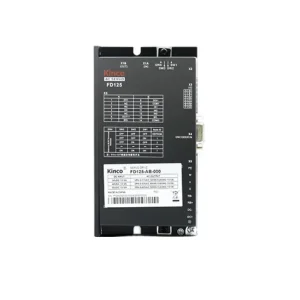
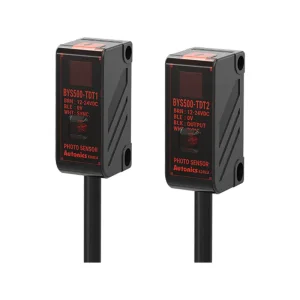
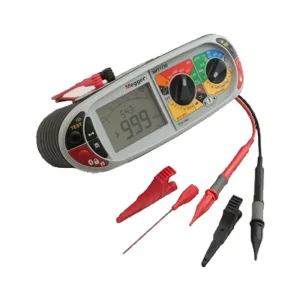
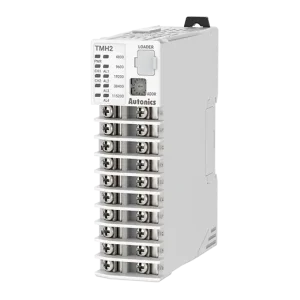
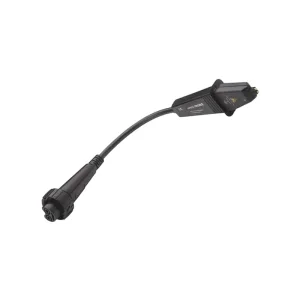
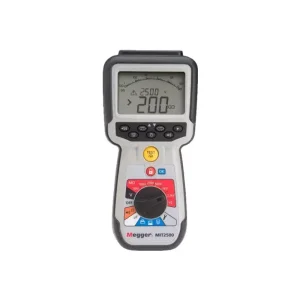
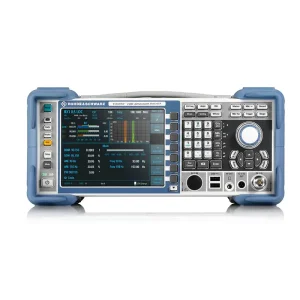
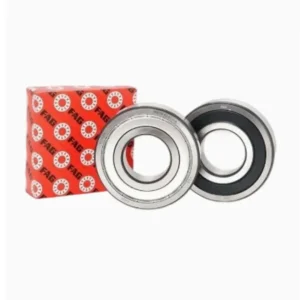
Precision components, multi-phase testers, and electronic insulation bearings optimized for aerospace and industrial environments.
Modern military and commercial aviation platforms rely heavily on real-time telemetric assessment of physical parameters. Specifically, measuring structural strain, hydraulic and aerodynamic pressure, and mechanical actuation force is crucial for maintaining flight safety envelope parameters. Avionics communication buses act as the nervous system of an aircraft, transporting microvolt signals generated by strain gauges and pressure transducers across complex, electrically noisy airframe environments to Flight Control Computers (FCC) and Flight Data Recorders (FDR).
Unlike standard industrial networks, avionics communication buses operating in these domains must guarantee deterministic latency, electromagnetic interference (EMI) resilience, and fail-safe redundancy. The implementation of specialized data buses—such as MIL-STD-1553B, ARINC 429, and next-generation Ethernet-based AFDX (ARINC 664 Part 7)—ensures that sensor data packets detailing structural deflection, cabin depressurization, or engine torque are transmitted with microsecond precision.
| Bus Protocol | Standard Applications | Data Rate | Redundancy Level | Signal Characteristics |
|---|---|---|---|---|
| MIL-STD-1553B | Military Structural Health (SHM), Wing Load Monitoring | 1 Mbps | Dual-Shielded Twisted Pair (Transformer Coupled) | Highly deterministic, command/response architecture |
| ARINC 429 | Commercial Pressure Transducers, Fuel Level Sensing | 100 kbps (High Speed) | Simplex, Point-to-Point (Unidirectional) | Highly reliable, low implementation complexity |
| AFDX (ARINC 664) | Commercial Transport Fleet-wide Strain Grid Telemetry | 10/100 Mbps | Active Dual-Path Switched Ethernet | Virtual Links (VL) with guaranteed bandwidth allocation |
| ARINC 825 (CAN) | Local Force Feedback, Flight Control Actuator Sensors | 1 Mbps | Multi-Drop Differential Bus | Ideal for distributed local subsystem nodes |
The aerospace sector is undergoing a profound transition from analog signal conditioning to fully digitized edge processing. Historically, strain and pressure sensors relied on long runs of analog wiring to connect to centralized signal conditioning units. This approach introduced significant weight penalties and vulnerability to electromagnetic pulse (EMP) hazards.
Current industry paradigms prioritize Smart Sensor Nodes where analog signals are converted to digital packets right at the sensor location, then transmitted via high-speed serial networks. Key trends dominating this space include:
For global procurement officers, Tier 1 defense contractors, and airline maintenance organizations, sourcing components for strain, pressure, and force measurement networks presents major challenges. Avionics hardware must operate under extreme environmental constraints (RTCA/DO-160G parameters: temperature ranges from -55°C to +125°C, high-g shocks, and severe vibration profiles).
Aircraft lifecycles span decades, whereas semiconductor lifecycles last only a few years. Sourcing partners must guarantee long-term supply agreements and drop-in replacements for components like transceivers and microcontrollers.
Every test system and bus interface must feature traceable calibration certification (such as NIST or DKD) to ensure the integrity of structural health data during critical certification flights.
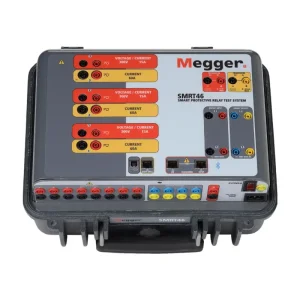
Modern testing rigs combine instrumentation from leaders like Keysight, Rohde & Schwarz, Tektronix, and Megger. Exporters must be able to deliver cross-compatible testing modules.
Sourcing and exporting aerospace-grade hardware requires compliance with strict international regulations. Sourcing agents must navigate these frameworks to ensure smooth clearance and deployment:
Machine-Win Technology Co., Ltd. is a professional and reliable international supply chain company specialized in providing a wide range of products for various industries. With extensive experience and a global network of suppliers, we excel in delivering high-quality products and satisfactory services. Our commitment to excellence, reliability, and customer satisfaction sets us apart as a preferred partner in the field of international trade.
Whether you are setting up flight test benches for strain measurement, conducting environmental testing on pressure components, or sourcing rugged parts for military systems, Machine-Win provides strategic support.
We offer our clients a clear set of capabilities designed to optimize procurement costs, guarantee quality, and ensure the long-term reliability of critical systems:
Our catalog includes high-end instrumentation from brands like KEYSIGHT, R&S, TEKTRONIX, KEITHLEY, RIGOL, NI, MEGGER, DRUCK, YOKOGAWA, and ITECH. We cover everything from cable testers and fiber optic testers to process calibrators and oscilloscopes.
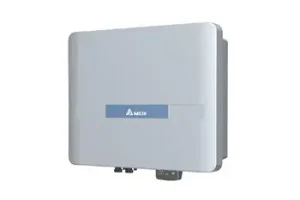
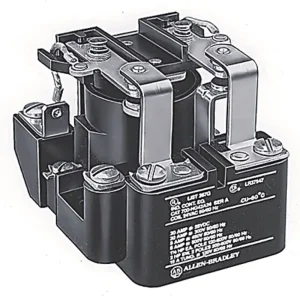
We supply brand-new, original industrial products from MITSUBISHI, SIEMENS, SCHNEIDER, PANASONIC, OMRON, DELTA, WEINTEK, EMERSON, EATON, PHOENIX CONTACT, and more, helping you build and maintain industrial test control panels.
We deliver tailored manufacturing support for electronic assemblies, packaging materials (such as POF shrink film), and workshop production line components, ensuring reliable execution and transparent communication.
Sourcing for strain, pressure, and force sensor networks must adapt to changing technical standards. The following timeline highlights the projected adoption of next-generation physical interfaces in aerospace environments:
Answers to common engineering and sourcing questions regarding strain, pressure, and force bus integration.
Avionics buses like MIL-STD-1553B use differential signaling, twisted-pair shielded cabling, and transformer isolation to mitigate common-mode noise. For critical systems, moving to optical buses (like ARINC 802) eliminates electromagnetic interference (EMI) entirely, ensuring high signal integrity even during lightning strikes or engine starts.
MIL-STD-1553 is a multi-drop, bi-directional, dual-redundant bus supporting up to 31 remote terminals, making it suitable for distributed military sensor networks. ARINC 429 is a point-to-point, unidirectional, single-transmitter bus widely used in commercial civil aviation due to its simplicity, deterministic nature, and ease of certification.
We work directly with original manufacturers and authorized distributors to source genuine equipment. We provide original certificate tracking, support factory calibration options, and verify packaging compliance before shipping globally.
Standard industrial PLCs cannot connect directly to avionics-specific buses due to different voltage levels, encoding methods, and protocols. Specialized interface cards, protocol converters, or data acquisition units (from manufacturers like National Instruments or Keysight) are required to bridge the two environments.
Testing equipment should be calibrated to international standards such as ISO/IEC 17025, with traceability to national metrology institutes (like NIST, PTB, or DKD). This ensures that reference measurements for strain, force, and pressure remain consistent throughout structural testing.
Contact Machine-Win Technology Co., Ltd. today for procurement support, calibration system integration, and global supply assistance.
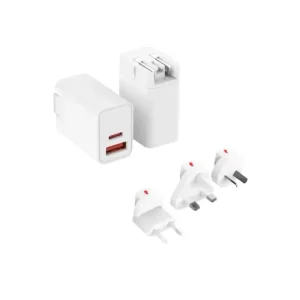
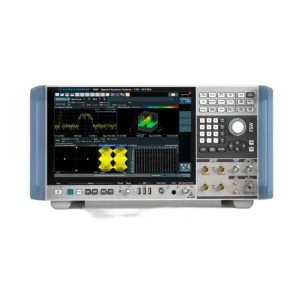
Contact Our Sourcing ExpertsIndustrial controllers, spectrum analyzers, and testing leads designed to support complex diagnostic installations.
 Machine-Win