 Machine-Win
1 / 4
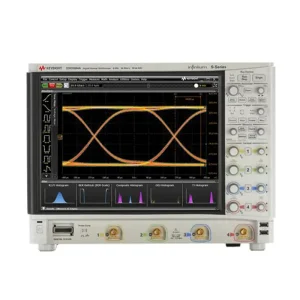
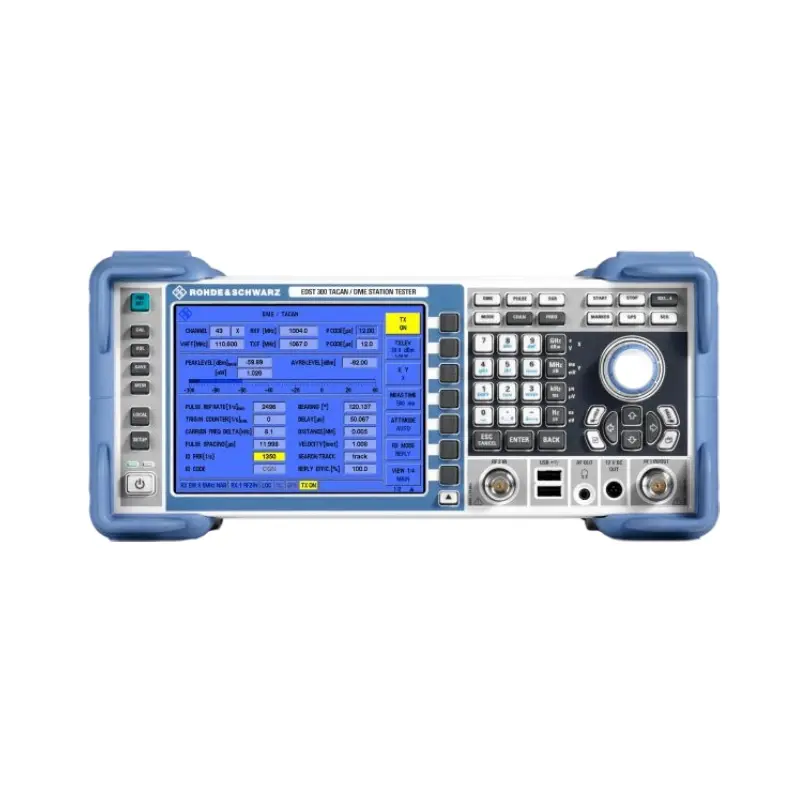
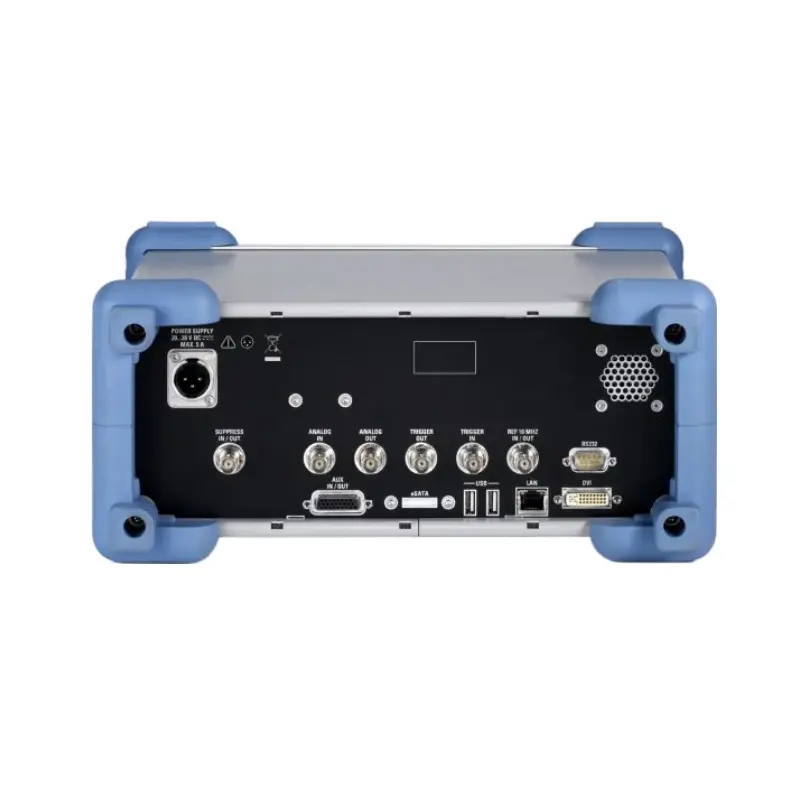
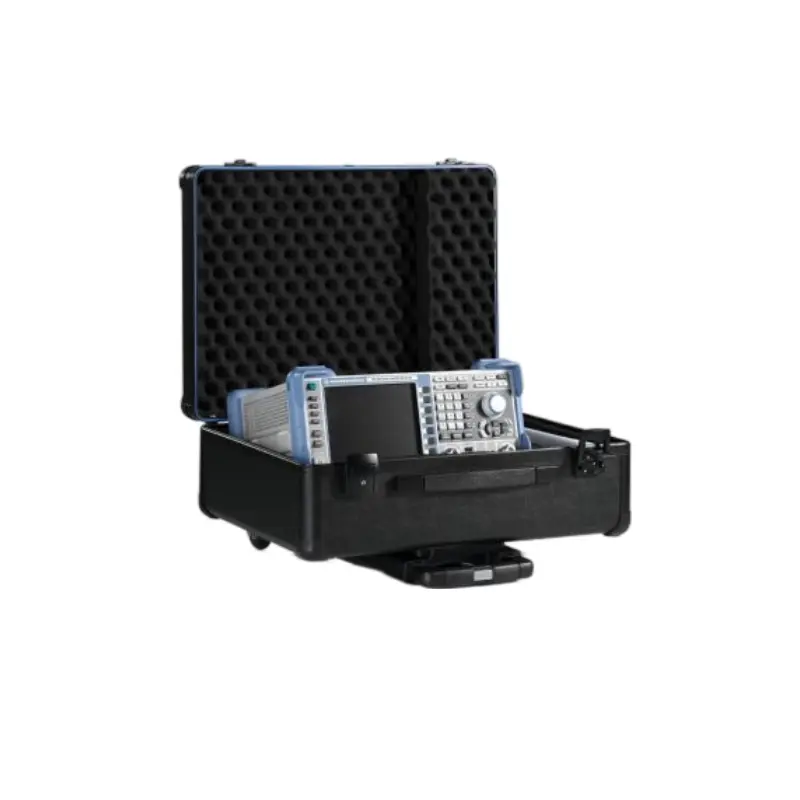
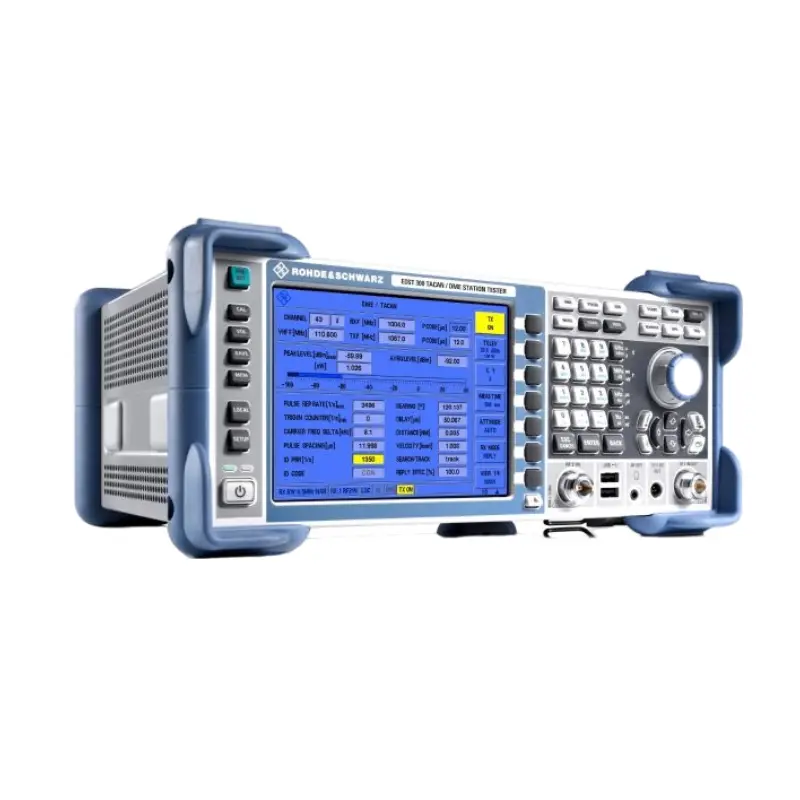
The Rohde & Schwarz R&S®EDST300 TACAN/DME station tester is a versatile analyzer designed for the commissioning, testing, and servicing of pulsed terrestrial navigation systems.
| Specification | Description |
|---|---|
| Frequency range | 960 MHz - 1215 MHz |
| Dynamic range | 110 dB |
| Receiver acquisition sensitivity | -97 dBm |
| Absolute level measurement range (average) | -110 dBm to +13 dBm (nom.) |
| Absolute level measurement range (peak) | -100 dBm to +13 dBm (nom.) |
| DME input level range (pulse recognition efficiency > 70 %) | -95 dBm to +10 dBm (nom.) |
| DME total peak level deviation | < 1 dB (nom.), for standard DME signal in line with ICAO Annex 10, level range 0 dBm to -70 dBm, 95 % confidence level, +20 °C to +30 °C |
| DME pulse spacing uncertainty | < 0.05 μs |
| TACAN input level range | -92 dBm to +10 dBm |
| TACAN bearing deviation | < 0.5°, for -90 dBm to +10 dBm, standard TACAN signal in line with STANAG 5034, modulation depth of 15 Hz and 135 Hz signals = 20 %, measurement time ≥ 1 s |
| TACAN bearing acquisition time | < 3 s |
| Main delay measurement | < 50 ns |
| Bearing measurement accuracy | < 0.2° |
| Analysis bandwidth | 500 kHz |
| Pulse repetition rate range | 5 - 6000 pulses per second |
| Distance measurement uncertainty | ≤ -80 dBm, 0.01 nm |
| Power supply | AC 100 - 240 V, DC 28 V |
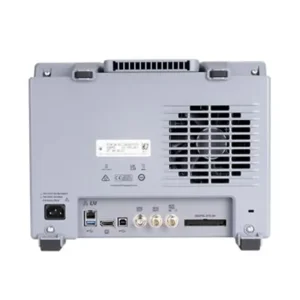
| Dimensions | Depth: 266 mm (10.47 in), Height: 157 mm (6.18 in), Width: 342 mm (13.46 in) |
| Remote control | Via LAN interface |
| Data export | Via USB data logger |

The R&S®EDST300 TACAN/DME station tester operates within a frequency range of 960 MHz to 1215 MHz.
It features a high dynamic range of 110 dB, enabling precise peak power measurements for pulsed navigation systems.
Yes, it features an extremely compact design and comes with an internal battery, making it highly suitable for both mobile field measurements and stationary applications.
With the R&S®EDST-K2 option, the device can carry out automated pulse shape analysis, measuring pulse rise time, fall time, and duration of the first and second pulses.
Yes. It can decode the identifier and measure its timing in detail, including the length of the identification periods, intervals, and equalizer pulse times.
The device supports AC 100 - 240 V mains power as well as a DC 28 V input, offering versatile powering options for standard and field environments.