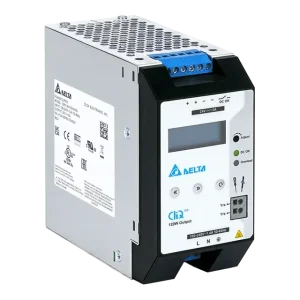
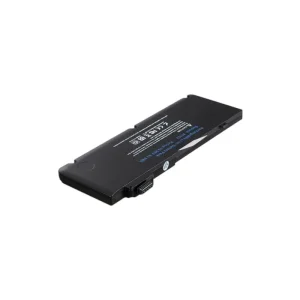
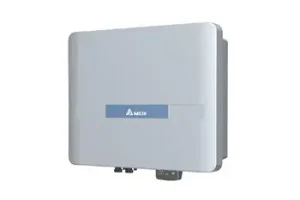
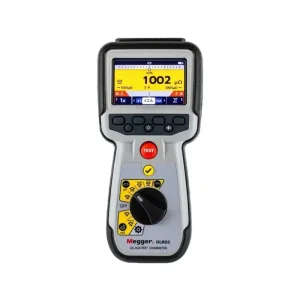
Discover our highly precise mechanical and electronic modules engineered to integrate seamlessly into complex industrial and power configurations.
Machine-Win Technology Co., Ltd. is a professional and reliable international supply chain powerhouse, specialized in providing a comprehensive suite of customized lithium-ion battery packs, precision test instrumentation, and automation components for global industries.
With extensive experience and a robust, vertically integrated network of suppliers and assembly facilities, we excel in delivering high-quality products and satisfactory engineering services. Our commitment to excellence, technological integrity, and strict adherence to global safety standards sets us apart as a preferred partner in international trade and customized engineering.
Contact Our Engineering Team
From precision diagnostics to power delivery architectures, we build bridging systems that keep your operations running seamlessly.
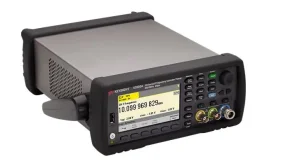
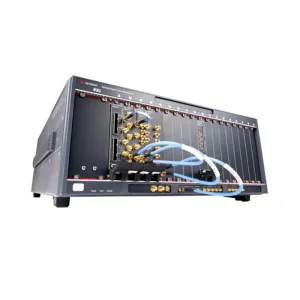
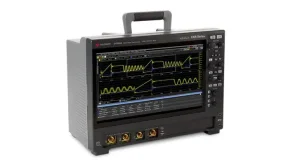
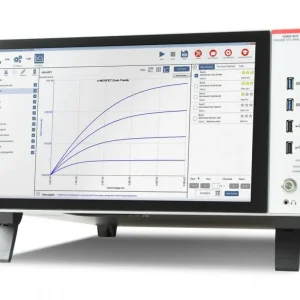
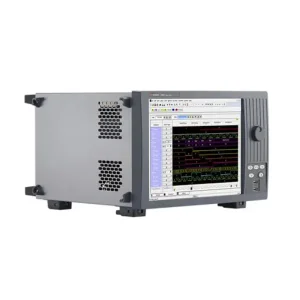
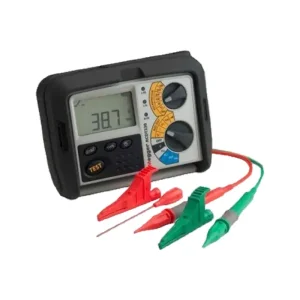
Machine-Win is your strategic partner for instrument sales, repair, and calibration. We deliver premium devices from industry giants including KEYSIGHT, R&S, TEKTRONIX, KEITHLEY, RIGOL, NI, MEGGER, DRUCK, YOKOGAWA, and ITECH.
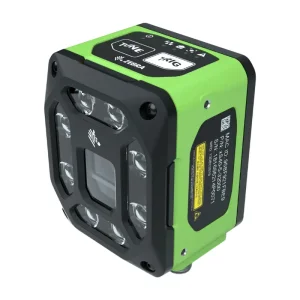
We supply brand-new, original electronic and mechanical components from global market leaders such as MITSUBISHI, SIEMENS, SCHNEIDER, PANASONIC, OMRON, DELTA, WEINTEK, EMERSON, and EATON.
We offer customized manufacturing solutions across computing peripherals, POF packaging lines, factory automation assembly structures, and dedicated rechargeable Li-Ion battery pack configurations.
Why multi-national corporations and manufacturing plants choose Machine-Win Technology.
Hassle-free end-to-end support covering sourcing, export compliance, assembly, cell sorting, parameter checking, and global logistics handling under a single point of responsibility.
Guaranteed genuine components verified with advanced testing instrumentation. Every lithium-ion pack undergoes meticulous cell balancing and cycle-testing protocols.
Direct partnerships with key raw material processing centers and smart component factories lower logistics costs and shorten standard B2B production lead times.
A technical whitepaper overview of cell topologies, management architectures, and safety parameters.
Developing an optimal rechargeable lithium-ion battery pack begins at the molecular level. Customization demands a precise selection of cell chemistry depending on the operational envelope of the target device. We evaluate and build utilizing the primary lithium topologies:
The safety and lifespan of a rechargeable lithium battery pack are directly linked to the intelligence of its Battery Management System. Our customized BMS designs incorporate state-of-the-art integrated circuits that execute multiple layers of active protection:
Prevents cell degradation by disconnecting the pack if cell voltages stray outside safe thresholds (typically 2.5V to 4.2V).
Maintains uniform voltage state of charge across all series-connected cells, preventing premature pack failure.
Integrated NTC thermistors continuously monitor temperatures, cutting off currents if thermal limits are breached.
Seamlessly reports state of charge (SoC), state of health (SoH), and internal logs via SMBus, I2C, HDQ, or CAN bus protocols.
Operating environments dictate the physical structure of the battery pack. From drop-resistant medical plastics (ABS/PC) to heavy-gauge aluminum and steel weldments for marine and mining equipment, our structures are optimized for shock, vibration, and environmental ingress. We design to comply with:
Adapting battery architectures to meet regional physical demands and regulatory parameters.
Region Focus: Northern Europe & Canada
Batteries operated in high latitudes experience drop-offs in electrochemical performance. We integrate internal silicone heating films controlled by the BMS that warm cells to optimal operational ranges (+10°C) before allowing rapid charging processes.
Region Focus: Southeast Asia & Gulf Coast
High relative humidity accelerates electrochemical corrosion and condensation shorts. Our packs are potted with high-conductivity thermal silicones that block moisture and dissipate heat from dense cell groupings.
Region Focus: Global Infrastructure Projects
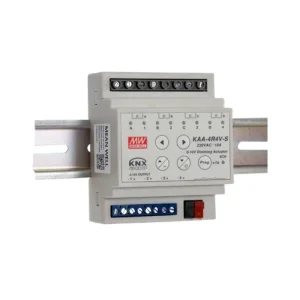
High-voltage battery setups must tie directly into existing DC power networks. Our modules integrate seamlessly with power components from brands like DELTA and Meanwell, utilizing advanced instrumentation for calibration.
How Machine-Win Technology leverages China's industrial ecosystem for unbeatable efficiency.
China is home to over 70% of global lithium refining and cathode component manufacturing. By basing our assembly and sourcing operations inside this primary hub, Machine-Win gains direct access to grade-A cells (including CATL, BYD, EVE, and Lishen) at the source. This raw material security eliminates mid-chain shipping tariffs and reduces component lead times significantly.
Moving from a customized electrical schematic to a working physical battery prototype takes weeks instead of months. Our local engineering ecosystem allows us to rapidly print resin housing prototypes, manufacture custom nickel-strips, and fabricate PCB boards for custom BMS configurations, keeping R&D cycles exceptionally short.
Manual pack assembly introduces cell impedance deviations. Our partner factories use automated cell sorting machines to group batteries with micro-ohm accuracy. Robotic laser welding stations then join the cells with uniform contact pressure, minimizing heat buildup and guaranteeing consistent resistance values.
Leveraging our relationships with premium instrumentation brands like KEYSIGHT, RIGOL, and KEITHLEY, our testing benches utilize high-accuracy electronic loads and multi-channel data acquisition units to perform deep thermal profiling and lifecycle simulation on every batch before it is certified for export.
Our ongoing engineering investments keep our customers ahead of the technology curve.
Solid-state batteries replace volatile liquid electrolytes with solid ceramics or polymers, increasing volumetric energy density by up to 50% while completely removing fire risks. We are currently testing solid-state integrations for next-generation medical systems.
For applications where cost and low-temperature performance are more critical than maximum energy density, Sodium-Ion chemistry represents the future. Our R&D pipelines include trial systems for stationary energy storage and backup applications.
Future battery packs are smart hubs. We are engineering custom BMS units that connect to local cloud servers via LTE-M or NB-IoT, allowing remote monitoring, preventative diagnostics, and over-the-air firmware modifications.
Crucial technical answers to streamline your custom battery deployment process.
Ensure stability, power compliance, and optimal connectivity across your technical systems.
 Machine-Win