In the modern landscape of high-precision manufacturing, telecommunications, and acoustic engineering, the requirement for ultra-stable signal generation is paramount. Machine-Win Technology Co., Ltd. stands as a premier international supply chain partner specializing in high-grade instrument sales, calibration, and repair services. We bridge the gap between global industrial demands and cutting-edge testing solutions, offering unparalleled access to leading global brands alongside optimized OEM/ODM manufacturing capability.
Our deep alignment with global manufacturing centers and direct collaborations with tier-1 brands (including Keysight, Rohde & Schwarz, Tektronix, Keithley, and NI) ensures that our customers receive verified genuine instrumentation, complete with ISO-compliant calibration data. Whether you require standard frequency generators, customized audio tone generators, or complex electroacoustic testing clusters, our global network guarantees compliance, efficiency, and engineering precision.
Enquire Industrial Solutions
Calibration Precision
Global Strategic Brands
Sourcing Destinations
Engineering Support
Audio tone generators, historically defined as simple electronic oscillators designed to output audio-frequency AC voltages, have undergone a radical transformation. Today, they form the core of electroacoustic design verification, telecom line troubleshooting, network diagnostics, and high-frequency RF modulation. Modern applications demand Direct Digital Synthesis (DDS) and software-defined architectures capable of generating low-distortion sine waves, square waves, complex multi-tone sweeps, and white/pink noise profiles.
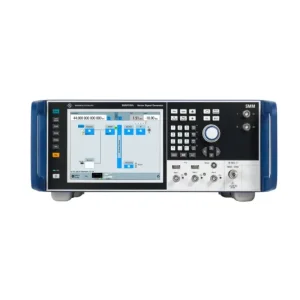
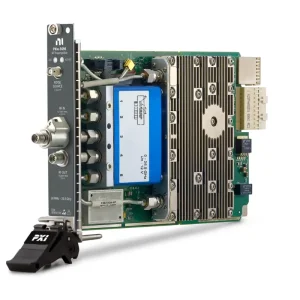
From testing consumer speaker sensitivity curves to analyzing the phase response of telecommunication relays, engineers rely on audio frequency signals to verify structural and circuit integrity. These signal sources are often coupled with sophisticated evaluation systems like vector signal generators (e.g., *Rohde & Schwarz SMM100A*) and high-fidelity RF amplifiers (e.g., *NI PXIe-5698*) to emulate real-world operational environments under stringent laboratory parameters.
The worldwide demand for signal testing apparatus is driven by three main secular trends: the expansion of automotive infotainment systems, the rise of smart home acoustic devices, and the strict validation requirements of Aerospace & Defense EMC (Electromagnetic Compatibility) testing. Procurement managers are no longer looking for standalone components; they require integrated testing arrays. The global supply chain seeks partners that can deliver:
China has solidified its position as the global powerhouse for precision electronic assemblies and instrumentation components. The localized clusters in provinces like Guangdong and Zhejiang offer distinct benefits:
We do not simply deliver hardware; we build the technical framework that ensures operational continuity. Our comprehensive suite of services includes:
Skip the fragmentation of dealing with multiple suppliers. We consolidate premium instruments (Keysight, R&S) and industrial automation spares into a single, optimized shipment path.
All signal generation and measurement components pass through our partner calibration labs, ensuring compliance with global ISO certification standards.
Our OEM/ODM solutions handle custom adapter configurations, multi-channel testing arrays, and tailored terminal interface modifications to fit specialized system integration specs.
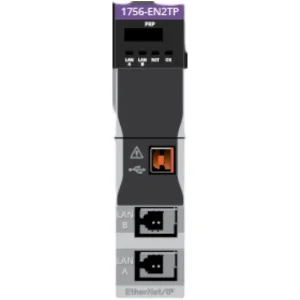
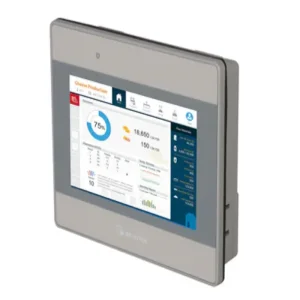
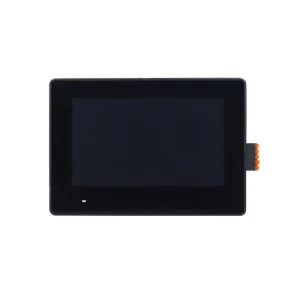
On high-throughput production lines for automotive speakers and microphones, audio tone generators are coupled with computerized analysis software. A synthesized sweep signal is output to the transducer under test, and the response is captured using calibrated measurement microphones. By utilizing high-speed edge computing units, such as the *Rockwell 1756-EN2TP* or *Weintek HMI* interfaces, the system instantly logs data, identifies frequency drops, calculates harmonic distortion rates, and automatically triggers sorting valves (*NACHI Solenoid Valves*) to isolate defective parts.
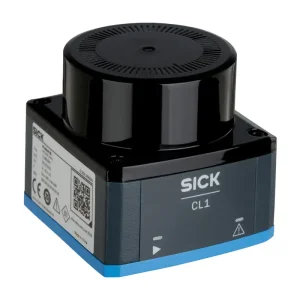
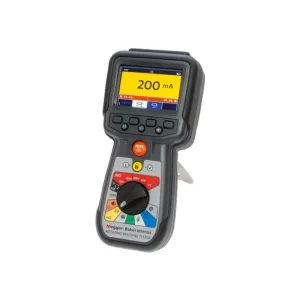
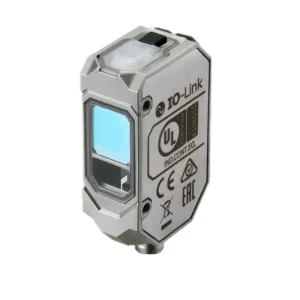
Telecom operators rely on precision tone injection to detect fault points, moisture ingress, and line degradation across high-density fiber and copper hybrid lines. Handheld multimeters, insulation testers (such as the *Megger MTR105*), and signal injectors verify cable continuity, isolate signal crosstalk, and ensure the physical layers conform to structural specifications. In high-interference environments, operators utilize RF-shielded receivers and sensor units (*Sick LiDAR* and *OMRON Photoelectric Sensors*) to prevent mechanical collisions during underground automated deployment.
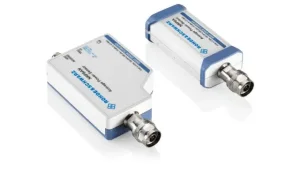
During the design sign-off phase of consumer electronics or defense equipment, the device must undergo simulated EM stress. The setup requires highly stable signal sources, power amplifiers, and precise directional couplers. Using custom components designed for EMC, like the *Rohde & Schwarz R&S®NRP6AN*, test technicians can calibrate absolute power profiles down to fractions of a decibel. This ensures that any tone generated is precise and repeatable, minimizing testing variables.
Analog tone generators use traditional analog circuit loops (like Wein-bridge oscillators) to generate waves, which can experience drift due to thermal fluctuations. DDS (Direct Digital Synthesis) units utilize a digital processor and a DAC to generate precise, crystal-controlled frequencies, providing superior accuracy, fast frequency switching, and minimal phase noise.
We maintain verified supplier partnerships with official distributors and primary manufacturers. Every high-end analyzer, calibration meter, or PLC module is supplied in its original manufacturer packaging with comprehensive serial tracking numbers and optional certificate documentation.
Yes. Through our OEM/ODM division, we can design custom impedance-matching networks (supporting 150Ω, 600Ω, 10kΩ, or customized values) to match your legacy broadcast systems or unique telecom parameters.
Standard catalog equipment generally ships within 3–5 working days from our local stock hubs. Tailored custom modules or complex multi-instrument integration orders require 4–8 weeks, depending on component availability and calibration verification windows.
 Machine-Win