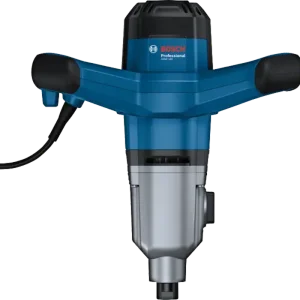
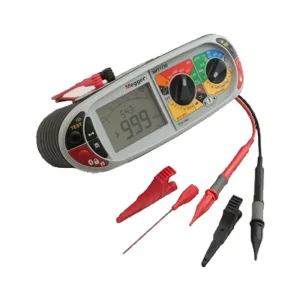
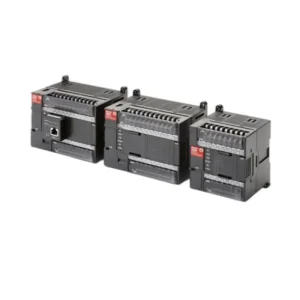
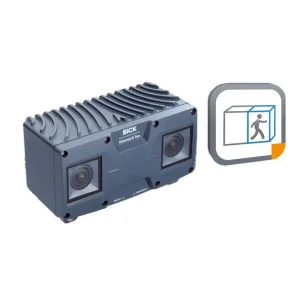
Explore our top-tier instrument diagnostics, signal analyzers, control units, and industrial RF interfaces.
Machine-Win Technology Co., Ltd. is a leading-edge, highly reliable international supply chain and RF instrument integration partner. We specialize in provisioning premium-grade components, software-defined radio sub-systems, and precision measurement equipment for critical communication infrastructures.
By leveraging an expansive global network of manufacturers and combining it with deep RF hardware engineering expertise, we help R&D facilities, telecommunication entities, and industrial firms procure specialized hardware seamlessly. Our services bridge the gap between high-precision RF needs and robust supply chain execution.
Contact Our RF Engineers
Software Defined Radio (SDR) technologies have shifted the paradigm of modern wireless communications. Historically, changes to a radio communication system's physical layer required costly hardware alterations. Today, industrial-grade SDRs bypass this bottleneck by implementing critical signal processing modules—such as modulation/demodulation, filtering, upconversion/downconversion, and signal encoding—directly into the software domain using high-performance Field Programmable Gate Arrays (FPGAs) and General Purpose Processors (GPPs).
The global demand for SDR systems is experiencing exponential growth, driven by key sectors including commercial telecommunications (5G NR prototyping and early 6G research), military defense, aerospace telemetry, and smart industrial IoT grids. Unlike traditional single-purpose transceiver ICs, modern SDRs leverage wideband RF transceivers (such as the AD9361/AD9371 architectures) coupled with ultra-large FPGAs (e.g., Xilinx Zynq UltraScale+ or Intel Arria series). This integration allows developers to dynamically scan radio frequencies, deploy software patches on-the-fly, and simulate complex channel environments without replacing physical infrastructure.
SDR platforms are deployed across a multitude of regional and specialized localized applications:
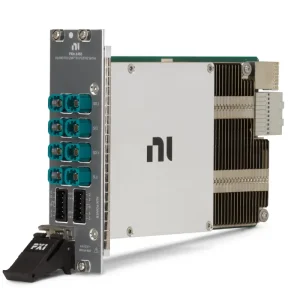
Supply Chain Integration Note: Machine-Win Technology collaborates with major laboratory instrument providers (including NI, Keysight, and Rohde & Schwarz) to deliver verified, pre-calibrated SDR front-ends that reduce time-to-market for complex RF designs from months to days.
The future of SDR technology lies at the intersection of cognitive radio and Artificial Intelligence (AI). Future roadmaps point to dynamic spectrum access (DSA) where SDRs autonomously identify unused spectrum bands and transition carrier frequencies dynamically to avoid congestion. In addition, the integration of Neural Processing Units (NPUs) directly adjacent to the analog-to-digital converter (ADC) interfaces enables AI-assisted denoising and instantaneous modulation classification.
Furthermore, hardware architectures are shifting towards open-source standards such as OpenRAN in cellular networks. The democratization of RTL-SDR designs at the educational level, alongside ultra-high-throughput RFSoC (Radio Frequency System on Chip) boards for defense systems, guarantees that the software-defined model will remain the dominant design framework for the next three decades.
As a global hub for electronics manufacturing, China's RF supply chain offers unparalleled manufacturing efficiency and agility. The structural ecosystem centered around the Pearl River Delta enables quick prototyping, rapid PCB assembly (PCBA) turnaround, and direct access to state-of-the-art semiconductor packaging facilities.
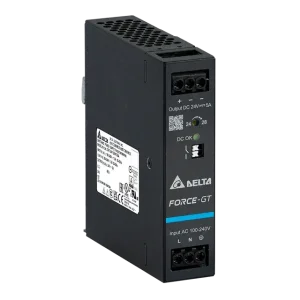
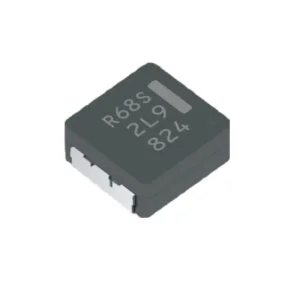
By streamlining component sourcing—from high-Q inductors (such as Panasonic ETQ series) to rugged DIN-rail power modules (like Delta DRF series)—and maintaining strict quality controls aligned with international ISO standards, Chinese manufacturing hubs provide global buyers with highly resilient supply networks. This minimizes lead times, ensures stable batch-to-batch consistency, and buffers clients against global raw material volatility.
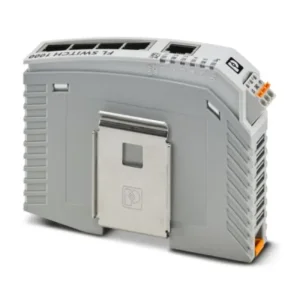
Deploying advanced radio equipment requires navigating complex international regulations, including FCC Part 15, CE RED (Radio Equipment Directive), and RoHS environmental standards. Machine-Win Technology mitigates these challenges by providing comprehensive compliance verification. Every industrial item, from high-speed network switches to delicate RF interface modules, is backed by rigorous factory inspection certificates, detailed datasheets, and professional technical support to ensure seamless localization and installation.
How Machine-Win Technology optimizes your procurement pipeline, technical support, and product lifecycle.
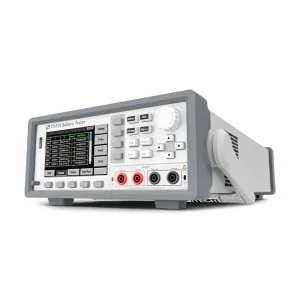
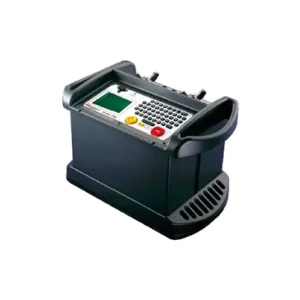
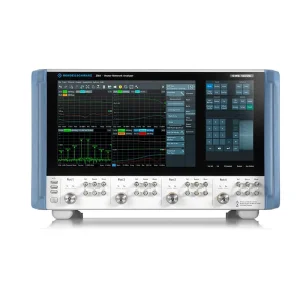
We provide access to top-tier instrumentation and specialized components (KEYSIGHT, R&S, Tektronix, NI, Megger, Yokogawa, Itech, etc.), bridging hardware acquisition with specialized system calibration.
Our solutions assist clients in analyzing complex RF signals, diagnosing network throughput issues, and calibrating high-frequency transceivers for mission-critical operations.
A multi-disciplinary support desk staffed by hardware design, quality assurance, and logistics experts dedicated to resolving integration bottlenecks.
Strategic supply of brand-new, original electronics, industrial automation products, and mechanical spares (Siemens, Omron, Panasonic, Schneider, Delta, Phoenix Contact).
Tailored supply chain management, offering customized manufacturing solutions, custom testing fixtures, and structural OEM/ODM integration to lower overall TCO.
Global customer assistance channels, secure logistics handling, and expedited customs processing to meet urgent replacement and assembly timelines.
Technical and procurement insights regarding Software Defined Radios and wholesale supply chain solutions.
High-speed data acquisition modules, network switches, and professional analyzers for SDR test setups.
 Machine-Win