Top Pressure Testing Gauges for Accurate Industry Measurements?

Time:2026-09-02 Author:Madeline
0%

Pressure testing gauges play a critical role in various industrial applications. Their accuracy can greatly impact safety and performance. These devices measure the pressure of gases and liquids in tanks, pipelines, and pressure vessels. A small error in measurement can lead to severe consequences.

Choosing the right pressure testing gauge involves understanding different types and their specific functions. Digital and mechanical gauges each have unique advantages. Digital gauges offer precision, while mechanical options are often more durable in harsh environments. However, reliability can vary based on manufacturer and model.

Despite their importance, one must consider the limitations of pressure testing gauges. Calibration is essential to maintain accuracy over time. Users should also be aware of environmental factors that can affect readings. Inconsistent results can occur if these factors are not adequately managed. It's crucial to regularly review and assess the efficacy of choosing the right measuring tools.
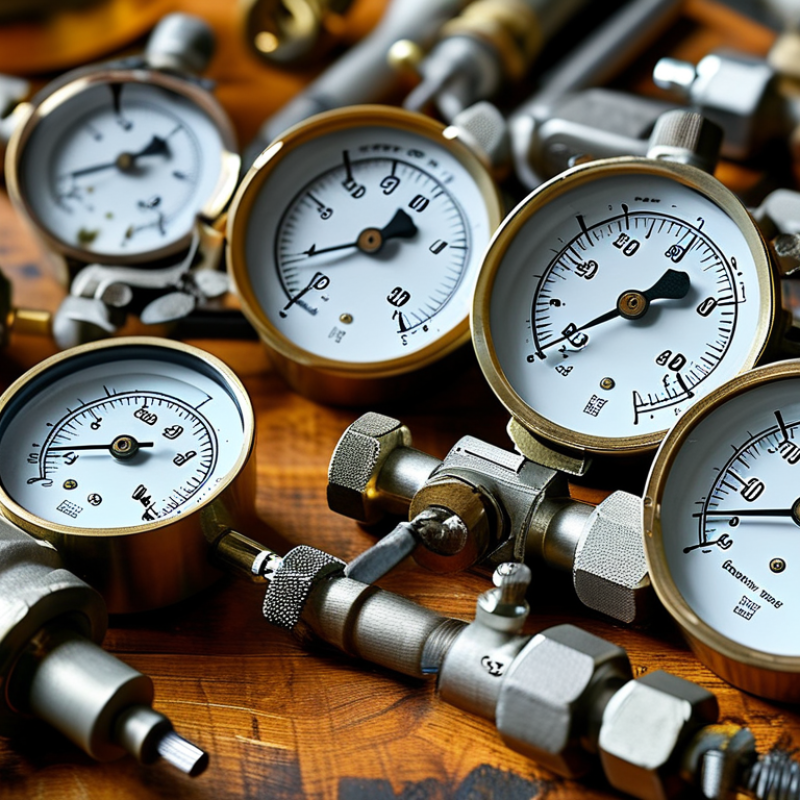
Top Pressure Testing Gauges for Accurate Industry Measurements?

Understanding Pressure Testing Gauges: An Overview

Understanding pressure testing gauges is essential for achieving accurate measurements in various industries. These instruments are critical in applications such as construction, manufacturing, and automotive sectors. According to a recent report by the National Institute of Standards and Technology, inaccurate pressure readings can lead to safety hazards and costly equipment failures, with industries losing millions annually. The reliability of these gauges hinges on their calibration and correct application.

Selecting the right type of pressure testing gauge is vital. Digital gauges offer precision and easy readability, while analog gauges are favored for their simplicity and durability. Calibration of these gauges should occur regularly. Reports indicate that around 30% of pressure gauges are not calibrated correctly, affecting measurement accuracy. The consequences can be significant.

Using these tools requires understanding their limitations. Environmental factors, such as temperature and humidity, can impact readings. Monitoring these variables is crucial. Maintain a routine check on your instruments to ensure optimal performance. Keep in mind that reliance on outdated technologies can lead to inaccuracies. Regular training for personnel on using pressure gauges can mitigate risks and enhance measurement reliability.

Types of Pressure Testing Gauges Used in Industry

Pressure testing gauges are vital tools in various industries. They ensure that systems operate within safe and efficient parameters. Understanding the types of gauges available can enhance measurement accuracy.

Mechanical gauges are among the most common. They often utilize a Bourdon tube to measure pressure. These gauges are straightforward and easy to read. However, they can be influenced by vibrations and should be positioned correctly for peak accuracy. Digital gauges offer higher precision and digital readouts, making it easier to interpret data. Still, their reliance on electronics means they may malfunction if exposed to harsh environments.

When selecting a pressure gauge, consider the calibration and range. It's essential to ensure the gauge is appropriate for the specific pressure levels you're working with. This helps avoid measurement errors. Regular maintenance is key too. A neglected gauge can lead to unreliable readings, affecting safety and efficiency.

Ensure that you know your application requirements. Different setups may need specific types of gauges. Pay attention to environmental factors, like temperature and humidity, as these can impact gauge performance. Selecting the right gauge reinforces your commitment to precision and reliability in your industrial applications.

Key Features to Consider When Choosing a Pressure Gauge

Choosing the right pressure gauge can significantly impact accuracy in industry measurements. Several key features should guide your decision-making. Look for gauges that offer a clear display for easy reading. LCD screens are beneficial in low-light conditions. Accuracy should also be a priority; verify calibration details to ensure measurements are reliable.

Consider the range of pressures you need to measure. Some applications require gauges that can handle extremely high or low pressures. Others may involve fluctuating conditions, making a gauge with a wide range essential. Durability is another critical aspect. A rugged design ensures longevity, especially in environments prone to harsh conditions.

Tips: Regular maintenance checks can enhance gauge performance. Ensure your gauge is recalibrated periodically. This practice prevents inaccuracies that might arise over time. Remember to consider your environment. For instance, corrosive substances can damage certain gauge materials. Choosing the right material can save costs in the long run.

Importance of Calibrating Pressure Testing Gauges for Accuracy

Pressure testing gauges play a vital role in various industries. Their accuracy directly impacts safety and performance. Thus, calibrating these gauges is critical for reliable measurements. A gauge that hasn’t been properly calibrated can provide misleading readings, leading to potential hazards. Regular assessments help maintain accuracy and ensure that standards are met.

Consider the environment where the gauge operates. Changes in temperature and humidity can affect readings. Additionally, the calibration frequency depends on usage intensity. If a gauge is frequently used, it requires more regular checks. Keeping a log of calibration dates and performance issues can also help identify when recalibration is necessary.

Maintaining pressure gauges is as crucial as calibration. Checking for wear and tear can prevent misreadings. Cleaning the gauges helps maintain precision, too. Relying on outdated or improperly calibrated gauges can compromise safety. Regular training for operators can ensure they are aware of best practices. Proper knowledge reduces the risk of errors in pressure testing.

Applications of Pressure Gauges in Various Industries

Pressure gauges play a crucial role in various industries by providing accurate measurements essential for safety and efficiency. For instance, in the oil and gas sector, data from the International Energy Agency indicates that pressure gauges help maintain optimal pressure levels in pipelines. This prevents leaks and costly downtime, with potential savings quantified at millions of dollars annually.

In the manufacturing industry, accurate pressure measurement is vital for process control. A report from the American National Standards Institute highlights that maintaining specific pressure levels can improve product quality and reduce waste by up to 20%. These gauges assist in monitoring air and fluid systems, enabling engineers to adjust specifications in real-time.

Healthcare also relies heavily on pressure gauges. In medical settings, precise readings are critical for equipment like ventilators and infusion pumps. The World Health Organization emphasizes that inaccuracies in these devices can lead to severe patient complications. Regular calibration is essential, as outdated or malfunctioning gauges can compromise safety and efficiency in these sensitive applications.

Pressure gauge technology continues to evolve, yet challenges persist. Many industries experience issues with reading accuracy, calibration drift, and environmental factors affecting performance. Regular audits and updates to monitoring systems are necessary for addressing these challenges. Data reliability must be a priority for industries that lead in safety and operational excellence.

FAQS

: What are pressure testing gauges used for?

: Pressure testing gauges are essential for accurate measurements in industries like construction, manufacturing, and automotive.

Why is calibration important for pressure gauges?

Regular calibration ensures measurement accuracy. Incorrectly calibrated gauges can lead to safety hazards and significant financial losses.

What types of pressure gauges are there?

Digital gauges provide precision and easy readability. Analog gauges are preferred for their simplicity and durability.

How can environmental factors affect pressure measurements?

Factors like temperature and humidity can impact readings. Monitoring these variables is crucial for accuracy.

What percentage of pressure gauges are typically miscalibrated?

Reports suggest about 30% of pressure gauges are not calibrated correctly, which affects their performance.

What role do pressure gauges play in healthcare?

In medical settings, accurate readings are vital for devices like ventilators, impacting patient safety significantly.

How can outdated technologies affect pressure gauge performance?

Reliance on outdated tools can lead to inaccuracies, compromising safety and efficiency in various applications.

What should industries do to ensure measurement reliability?

Regular audits and updates to monitoring systems are necessary to address issues with accuracy and environmental factors.

Why is personnel training on pressure gauges important?

Regular training can mitigate risks and enhance measurement reliability, ensuring better safety and operational efficiency.

What challenges do industries face with pressure gauge technology?

Reading accuracy issues, calibration drift, and environmental impacts are common challenges that persist in various sectors.

Conclusion

Pressure Testing Gauges play a crucial role in various industries by providing accurate measurements of pressure levels, essential for ensuring safety and compliance. Understanding the different types of pressure testing gauges, such as digital, analog, and manifold gauges, is fundamental for selecting the appropriate tool for specific applications.

When choosing a pressure gauge, key features like range, accuracy, and material should be considered, as they influence performance and durability. Additionally, regular calibration of pressure testing gauges is vital to maintain accuracy over time, ensuring reliable readings that directly impact operational efficiency. These gauges find applications across sectors such as oil and gas, manufacturing, and automotive, underscoring their importance in facilitating safe and effective operations.


Madeline

Madeline

Madeline is a dedicated marketing professional with a wealth of expertise in our company's core offerings. With a keen understanding of the industry, she brings a unique perspective to her role, consistently delivering high-quality content that highlights the superior aspects of our products. As......