In the dynamic world of electronics, Rf Signal Generators play a critical role. These devices generate high-frequency signals essential for testing and communication applications. John Smith, a recognized expert in the field, notes, "Rf Signal Generators are the heartbeat of RF testing." His insight underscores the importance of these tools for engineers and developers.
As global demand for wireless communication grows, so does the need for reliable Rf Signal Generators. Companies are looking for innovative solutions that meet stringent performance criteria. Yet, finding the right generator can be challenging. Many buyers encounter issues with compatibility and accuracy. It is crucial to consider these aspects when making a selection.
The landscape of Rf Signal Generators continues to evolve. New technologies emerge, but not all products deliver on their promises. Buyers should prioritize reliability and precision. Research and expert guidance can help navigate this complex market. Ultimately, making informed choices will lead to better outcomes in RF testing and development.
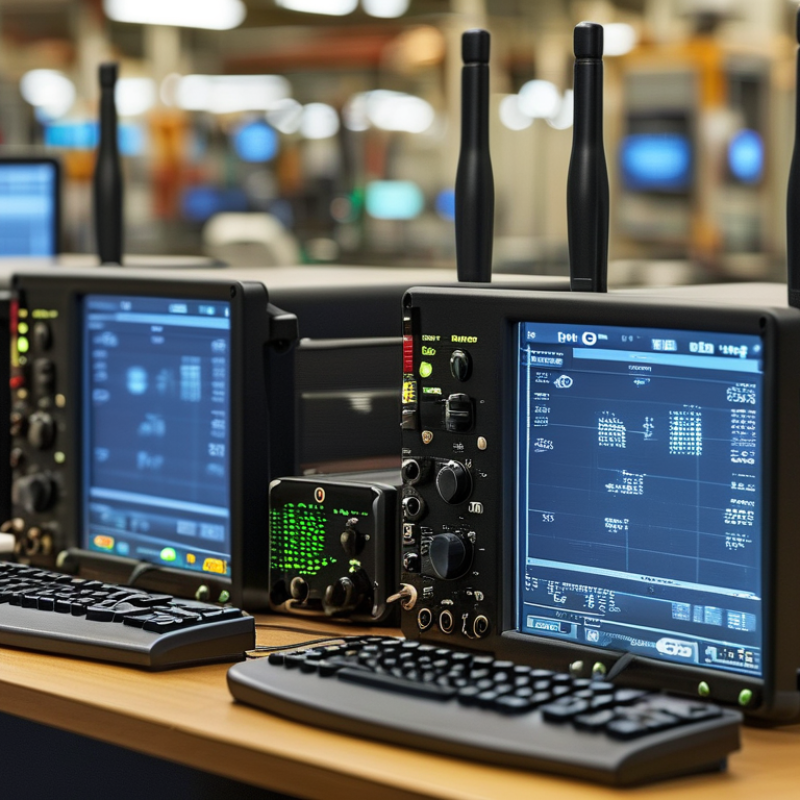
RF signal generators play a pivotal role in various applications, including telecommunications and electronic testing. These instruments create precise signals for testing and calibration. As technology evolves, so does the demand for more sophisticated RF signal generators. By 2026, industry experts predict significant advancements in features and capabilities.
One key aspect is the accuracy of frequency generation. Inaccurate signals can lead to major failures in communication systems. Furthermore, emerging wireless standards require equipment that can adapt quickly. The ability to simulate different conditions becomes crucial for engineers. Many developers are actively exploring ways to enhance performance without compromising ease of use.
However, challenges remain. Some devices may not provide the expected reliability under extreme conditions. Additionally, there's a need for better user interfaces that can accommodate diverse operator skill levels. As we enter 2026, the RF signal generator landscape will undoubtedly demand innovative solutions to address these ongoing issues. Continuous improvement is essential for meeting the growing needs of global markets.
When selecting top RF signal generators, key features can significantly impact performance. Frequency range is a crucial aspect. Leading reports highlight that devices covering wider ranges can accommodate varied applications, thus enhancing versatility. A typical generator might span from 9 kHz to 40 GHz, making it adaptable for numerous tests.
Another important feature is output power. Many RF applications require precise signal levels. Devices should provide adjustable output settings. Reports show that generators delivering between -120 dBm to +20 dBm are vital for ensuring signal accuracy and quality, particularly in sensitive environments.
Portability is often overlooked. Users may prefer lightweight designs for on-field testing. Some generators weigh less than 2 kg. This feature boosts usability, especially for engineers who conduct tests in multiple locations. In practice, balancing portability with performance has proven challenging for manufacturers. Further exploration into this area is necessary to meet user demands effectively.
The RF signal generator market is experiencing significant trends and innovations as we approach 2026. New technologies are being introduced that enhance performance and offer greater flexibility. These generators are becoming more compact and efficient, catering to evolving needs in telecommunications and radar systems. Smaller devices with advanced features are gaining traction among users. Innovative designs allow for easier integration into existing systems.
Another critical trend is the push for software-defined RF signal generators. These models provide users with the ability to modify settings and functionalities via software updates. This flexibility enables quicker adaptations to changing requirements in various applications. Additionally, the incorporation of artificial intelligence is on the rise. AI can optimize performance, analyze data, and reduce manual intervention.
However, challenges remain in standardization and interoperability. Different manufacturers are employing unique protocols, creating potential compatibility issues. Buyers may find it complex to choose the best option for their needs. Industry stakeholders must focus on addressing these inconsistencies. Emphasizing reliable performance without compromising on innovation is vital. Exploring these trends allows for a deeper understanding of how RF signal generators will evolve in the coming years.
In the rapidly evolving field of RF technology, selecting the right signal generator is crucial. Buyers must consider various factors, including precision, frequency range, and output power. According to industry reports, the RF signal generator market is projected to grow at a CAGR of 5.2% from 2021 to 2026. This increase highlights the rising demand for high-performance devices globally.
Top models are characterized by advanced features such as modulation capabilities and low phase noise. These specifications greatly enhance their usability in research and development environments. It’s vital to evaluate products not just based on features but also their support and reliability. Some devices may have impressive specifications but lack good customer service.
Tip: Always read user reviews. Real-world experiences provide insights into a product's practicality.
While purchasing high-end models, potential buyers should consider the total cost of ownership. Initial price is only one aspect; maintenance and support services matter too. Products that seem superior might not deliver long-term value, leading to reconsideration.
Tip: Compare multiple options. Don’t rush into a decision based solely on marketing. Explore different brands and models to find the best fit for your needs.
When selecting RF signal generators, performance and pricing are critical factors for buyers. Each product offers unique specifications that influence its effectiveness for various applications. A generator with high frequency stability may come at a premium price. This raises the question: is the higher cost justified by enhanced performance?
Consider the specifications like output power and frequency range. Some models excel in high-frequency operations, enabling use in advanced research settings. This may not always be necessary for routine tasks. In such cases, lower-priced generators could serve adequately, although they may lack some advanced features. Balancing cost and capability requires careful evaluation.
It is also essential to assess user support and available resources. A product with comprehensive documentation can reduce operational hiccups. However, not all generators provide extensive support. Users must be prepared to troubleshoot issues independently. This can lead to delays, especially for complex setups. Overall, understanding the trade-offs between pricing and performance is critical.
| Model | Frequency Range (GHz) | Output Power (dBm) | Phase Noise (dBc/Hz) | Price (USD) |
|---|---|---|---|---|
| Model A | 1 - 6 | +20 | -130 | 1500 |
| Model B | 10 - 20 | +15 | -125 | 2400 |
| Model C | 0.1 - 3 | +18 | -128 | 800 |
| Model D | 5 - 12 | +25 | -132 | 2000 |
| Model E | 2 - 18 | +22 | -126 | 1800 |
: Frequency range affects versatility. A wider frequency range allows more applications.
Precise signal levels are necessary. Generators need adjustable output, typically between -120 dBm to +20 dBm.
Lightweight designs aid field testing. Some models weigh under 2 kg, enhancing usability for engineers.
Consider customer support and reliability. High specs without good service can lead to poor experiences.
User reviews offer practical insights. They can reveal issues not mentioned in specifications.
Look at total cost of ownership, not just initial price. Maintenance and support are crucial for long-term value.
Rushing into decisions based on marketing can lead to regrets. Take time to explore various brands and models.
Portability can complicate performance. Balancing these two aspects requires careful consideration.
Focusing only on price without considering future maintenance costs can be misleading.
Features like modulation capabilities improve research effectiveness, but they need proper support for best results.
In 2026, RF Signal Generators play a crucial role in various applications, from telecommunications to research and development. Understanding their features is essential for global buyers, who should look for key specifications such as frequency range, output power, and modulation capabilities. The market is witnessing significant trends and innovations aimed at improving performance and affordability.
Buyers must stay informed about the top brands and models available, ensuring they make informed decisions based on a comparative analysis of pricing and performance. As technology evolves, the demand for high-quality RF Signal Generators continues to rise, highlighting the importance of selecting the right devices that meet specific industry needs.

Machine-Win