Choosing the right automotive oscilloscope can significantly impact diagnostic capabilities for modern vehicles. The automotive industry has seen an impressive evolution, with a report indicating that 50% of automotive repairs now involve electronic systems. This shift underscores the need for accurate tools to analyze signals and data effectively.
Automotive oscilloscopes are essential instruments for technicians. They allow for real-time analysis of vehicle performance. A study from the International Journal of Automotive Technology showed that 75% of technicians find oscilloscopes invaluable for troubleshooting electrical issues. Selecting the right model is crucial to harnessing their full potential.
However, not all oscilloscopes are created equal. The market is flooded with options, making it challenging to determine the best fit for specific needs. Technical specifications, portability, and ease of use are vital factors to consider. Inadequate information can lead to poor purchasing decisions, impacting service quality and customer satisfaction. Evaluating the choices thoughtfully can enhance diagnostic accuracy and efficiency.
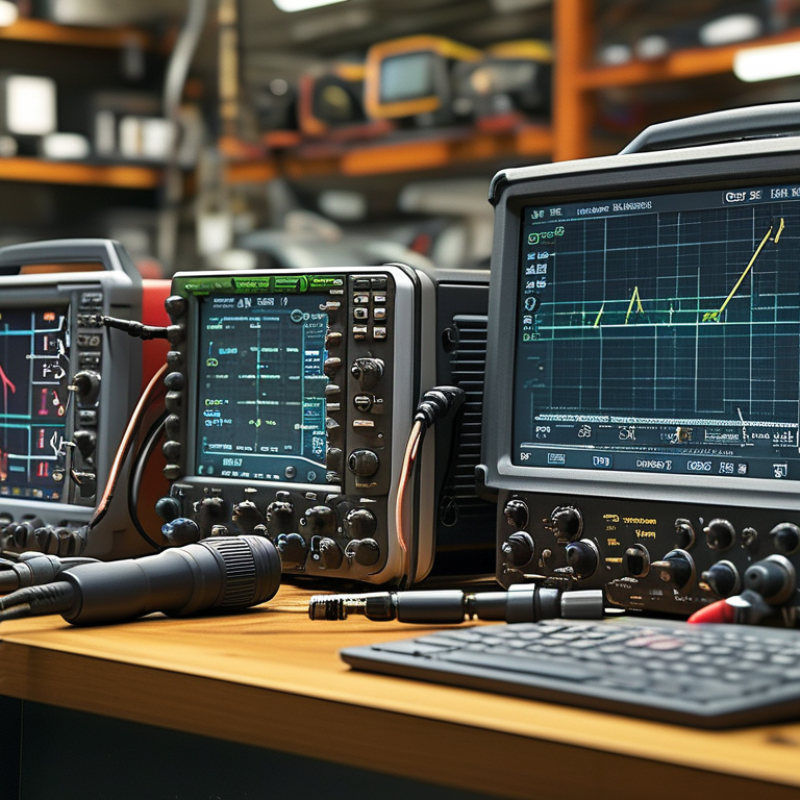
Automotive oscilloscopes are essential tools for modern technicians. Understanding how they work is crucial for effective use. An oscilloscope analyzes electronic signals, visualizing data over time. This visualization helps diagnose complex automotive issues. For instance, you can examine ignition signals or sensor outputs in real time. This is critical when troubleshooting.
Familiarity with waveform patterns allows technicians to identify faults. Each sensor or component generates a specific signal shape. Deviations from these patterns often indicate problems. Yet, interpreting these waveforms can be challenging. New users may struggle to differentiate between normal and abnormal signals. Continuous practice is key to mastery.
Additionally, the oscilloscope’s settings greatly influence its usefulness. Adjusting the voltage scale and time base is essential for clarity. Some users might overlook this, leading to inaccurate readings. Regular use and a willingness to learn will improve your skills. Embrace the learning process, as it is a journey filled with discoveries and challenges.
When choosing an automotive oscilloscope, several key features are essential to ensure it meets your diagnostic needs. The bandwidth is crucial; most experts recommend a minimum of 100 MHz for automotive applications. This bandwidth allows for accurate readings of fast signals from modern vehicles. A lack of sufficient bandwidth can lead to distorted readings, making diagnosis difficult. Some studies show that oscilloscopes with higher bandwidth can provide up to 20% more detail in signal analysis.
Sampling rate is another vital feature. Qualified sources suggest a minimum rate of 1 GSa/s for effective automotive diagnostics. A higher sampling rate captures transient signals better and reduces aliasing. This is especially important for diagnosing issues in newer vehicles equipped with complex electronic systems. If the oscilloscope's sampling rate is too low, it may miss crucial details that could lead to erroneous conclusions.
Portability and display quality also matter. A lightweight design enhances usability in the field. A high-resolution display allows for easier interpretation of waveforms. According to industry data, approximately 30% of users experience difficulty due to unclear displays. Therefore, investing in an oscilloscope with a superior display not only aids real-time diagnostics but can also minimize misinterpretations. These factors collectively contribute to a more effective and reliable diagnostic experience.
| Feature | Importance | Description | Recommended Value |
|---|---|---|---|
| Bandwidth | High | The range of frequencies the oscilloscope can analyze effectively. | 100 MHz or higher |
| Sampling Rate | High | How many samples the oscilloscope can capture per second. | 1 GS/s or higher |
| Channel Count | Medium | Number of input channels for simultaneous monitoring. | 2 to 4 channels |
| Display Quality | High | Resolution and clarity of the waveform display. | Minimum 800x480 pixels |
| Memory Depth | Medium | Amount of waveform data the oscilloscope can store. | At least 10 Mpoints |
| Triggering Options | High | Ability to capture specific events in the waveform signal. | Multiple triggering options (edge, pulse, etc.) |
| Connectivity Options | Medium | Ports for USB, Ethernet, and other connections for data transfer. | USB 2.0 or higher |
When selecting an automotive oscilloscope, understanding the different types is essential. Each type serves specific functions vital for accurate diagnostics. Digital oscilloscopes, for instance, offer high-resolution displays and advanced features like built-in measurement tools. They enable detailed analysis of signal patterns, which is beneficial in pinpointing issues in modern vehicles. According to industry research, digital oscilloscopes make up over 70% of market sales due to their efficiency.
Another type, the scope meter, combines oscilloscope capabilities with multimeter functions. This versatility makes it invaluable for auto technicians who need to check voltage and frequency simultaneously. Approximately 35% of automotive professionals cite this type as their go-to device for troubleshooting electrical systems. However, these come with a learning curve. Many users struggle with interpreting data effectively, which may result in missed diagnoses.
Lastly, consider automotive diagnostic scopes. These simpler oscilloscopes focus on basic signal analysis. They are budget-friendly but often lack advanced features, leaving some technicians feeling limited in their assessments. While they are excellent for entry-level tasks, relying solely on them may hinder proficiency in complex diagnostics. Balancing the type of oscilloscope with your specific diagnostic needs is crucial for optimal vehicle maintenance.
Choosing the right automotive oscilloscope starts with understanding your specific diagnostic needs. Every automotive technician faces unique challenges. Some may deal with complex electronic systems, while others focus on simpler vehicles. Identifying what you need to diagnose most frequently is key.
Consider the types of issues you encounter. Do you primarily work on ignition systems? Or do you find yourself troubleshooting sensors regularly? Knowing your focus areas allows you to select an oscilloscope with appropriate features. For example, if you often analyze signal waveforms, a model with better bandwidth and sampling rate may be essential.
Reflect on your experience level too. Beginners might require a more user-friendly interface. Advanced users might benefit from more in-depth capabilities. However, even seasoned professionals should reassess their toolsets periodically. Technology evolves, and what worked previously may not meet current demands. Not all functions will be necessary for your work, but having the right tools can significantly enhance efficiency.
When budgeting for your automotive oscilloscope, several factors come into play. The average price range for a quality automotive oscilloscope can be between $500 and $3,000. According to industry reports, the entry-level models can provide basic functionality, but advanced features will significantly enhance your diagnostic capabilities. Knowing how much to invest based on your needs is crucial.
Consider how often you'll use the oscilloscope. If you’re a professional technician, a more advanced model might be justifiable. For hobbyists, a basic model might suffice. Remember, costs do not just include the device. Calibration tools and accessories can add 10-20% to your overall expenditure.
Tips: Always compare specifications. Look for features such as bandwidth and sample rate. Higher sample rates deliver more accurate readings, but they can increase costs. Also, keep an eye on potential hidden costs. Some devices may require additional software or hardware updates for full functionality. An informed decision can save money in the long run.
: The main types are digital oscilloscopes, scope meters, and automotive diagnostic scopes.
They provide high-resolution displays and advanced features for accurate signal analysis.
A scope meter combines oscilloscope functions with multimeter capabilities for versatile diagnostics.
Yes, users often struggle with data interpretation, leading to potential diagnostic errors.
They focus on basic signal analysis and are budget-friendly but may limit complex diagnostics.
Expect to spend between $500 and $3,000, depending on features and functionality.
Think about your usage frequency and required features for your specific diagnostic needs.
Yes, calibration tools and accessories may add another 10-20% to the total cost.
Higher sample rates improve accuracy but can significantly increase the overall cost.
Relying solely on basic oscilloscopes may hinder proficiency in handling more complex vehicle issues.
When choosing the best automotive oscilloscope for your needs, it's essential to understand the basics of these diagnostic tools, which are vital for analyzing vehicle electronic systems. Key features to consider include bandwidth, sampling rate, and the number of channels, as these factors significantly impact the oscilloscope's performance. Different types of automotive oscilloscopes serve various purposes, from basic diagnostics to complex signal analysis, making it crucial to assess your specific automotive diagnostic needs before making a decision.
Budgeting is also an important aspect of the purchasing process, as prices can vary widely based on functionality and quality. By carefully evaluating your requirements and budget, you can select an automotive oscilloscope that not only meets your needs but also enhances your diagnostic capabilities, ultimately improving your ability to service and repair vehicles effectively.

Machine-Win